
Introduction
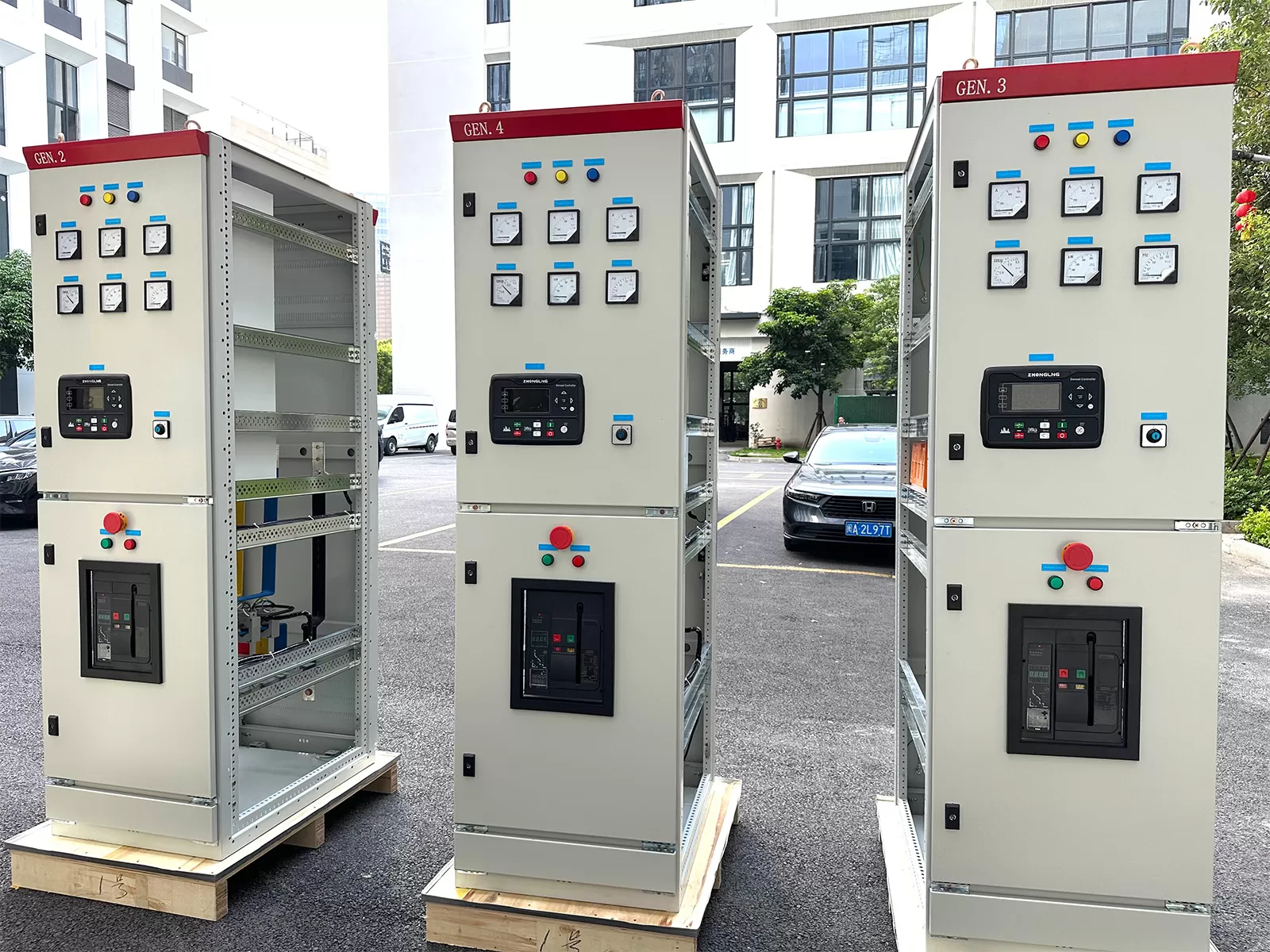
A main distribution cabinet acts as the central nervous system of any facility. It receives high-capacity power directly from the transformer or generator. Then, it safely distributes this electrical load to subsidiary panels.
Often referred to as a main distribution board (MDB), it provides critical protection. It prevents severe overloads and catastrophic short circuits. This ensures your operations never face unexpected electrical fires or downtime.
Every reliable power distribution panel shares a few universal goals:
○ Isolate electrical faults quickly to protect the main grid.
○ Protect downstream equipment and motors from voltage surges.
○ Provide safe and logical access for maintenance teams.
○ Monitor real-time energy consumption for factory efficiency.
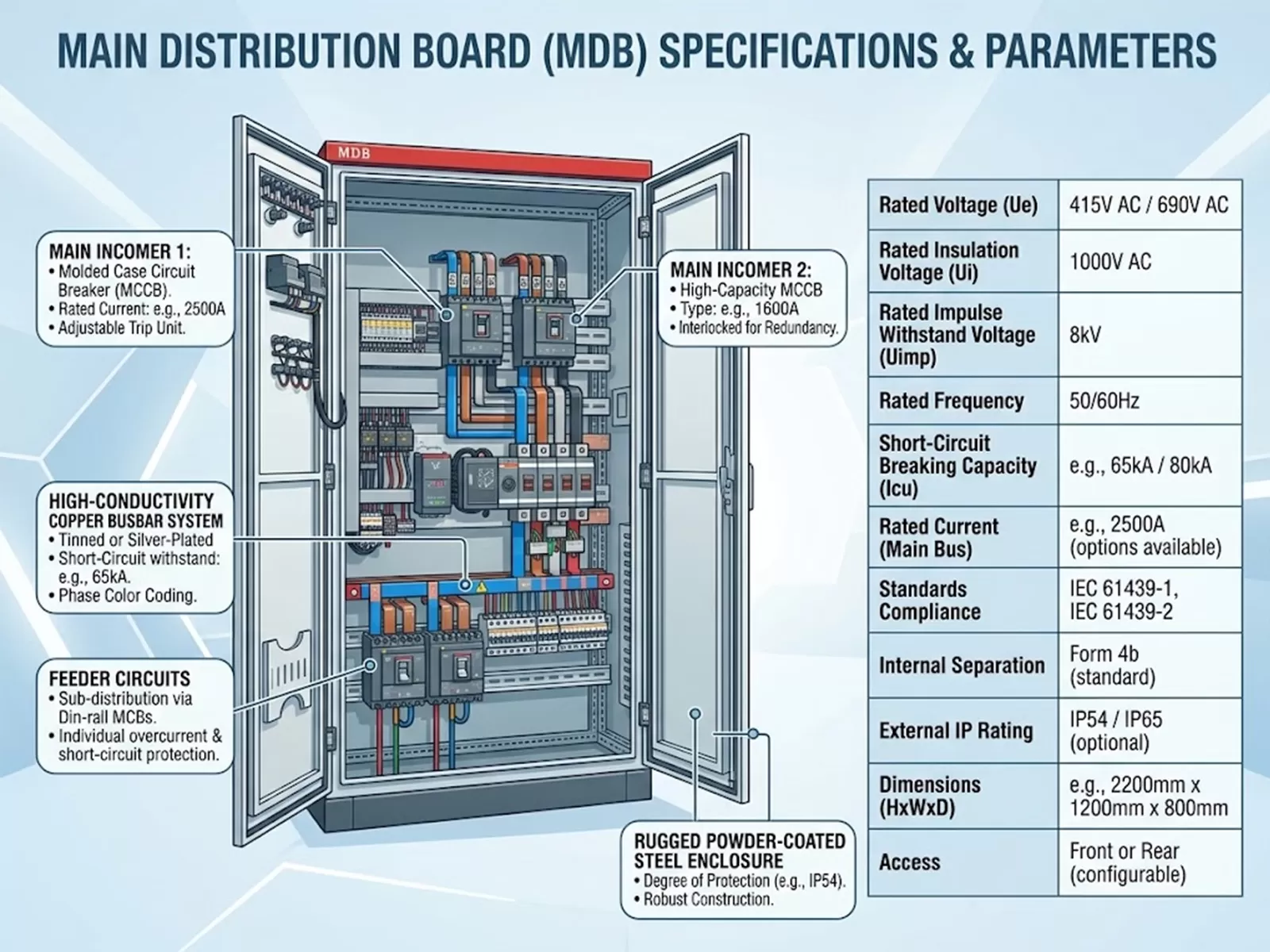
The Core Components Inside the Enclosure
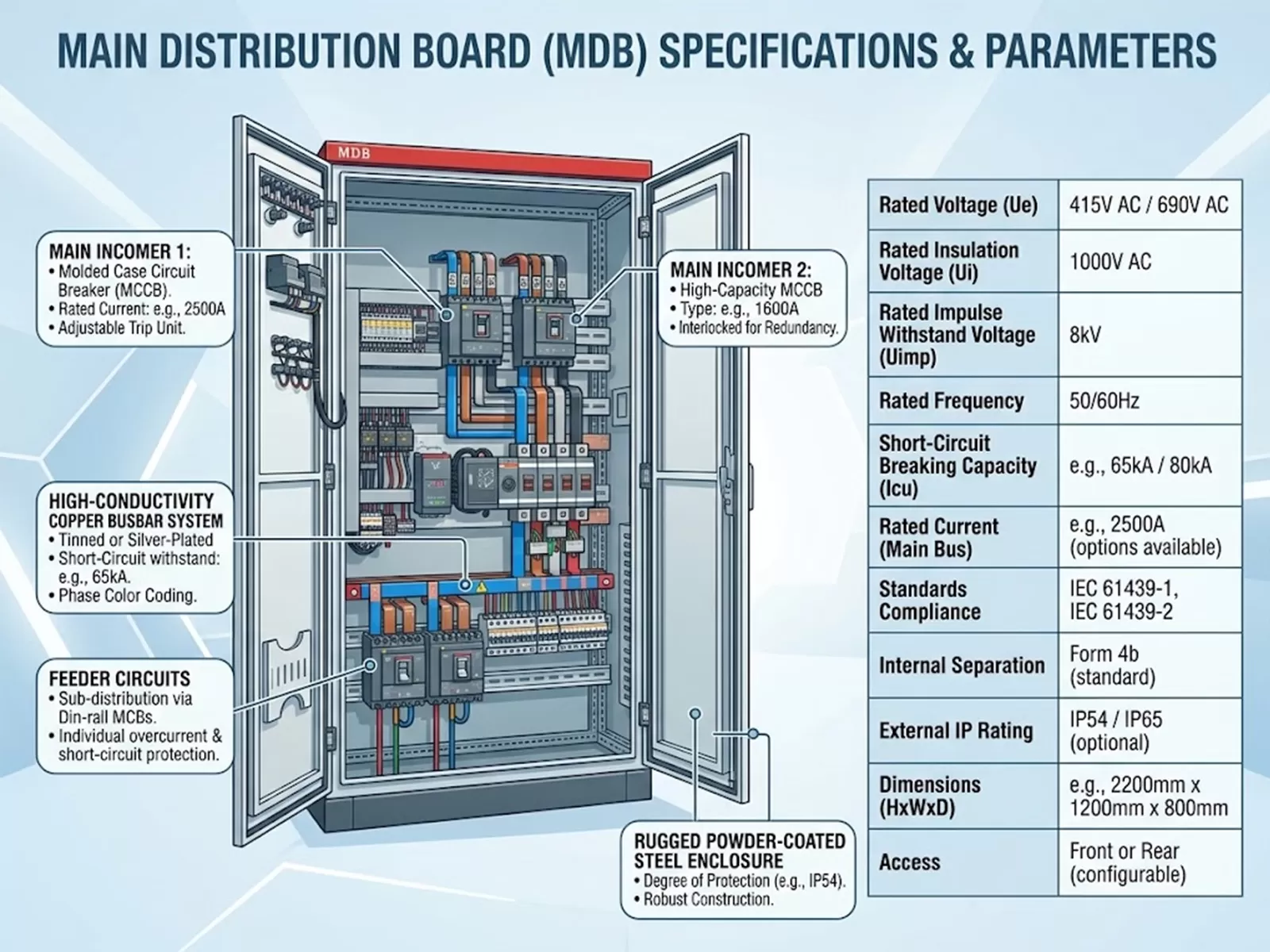
Understanding the anatomy of your low voltage switchgear helps you make better purchasing decisions. Let's open the door and look closely inside. Here are the essential parts you will find.
1. The Enclosure Frame
The physical shell is much more than just a metal box. It protects the sensitive internal components from dust, water, and mechanical impacts. Most high-quality cabinets use galvanized steel or robust stainless steel.
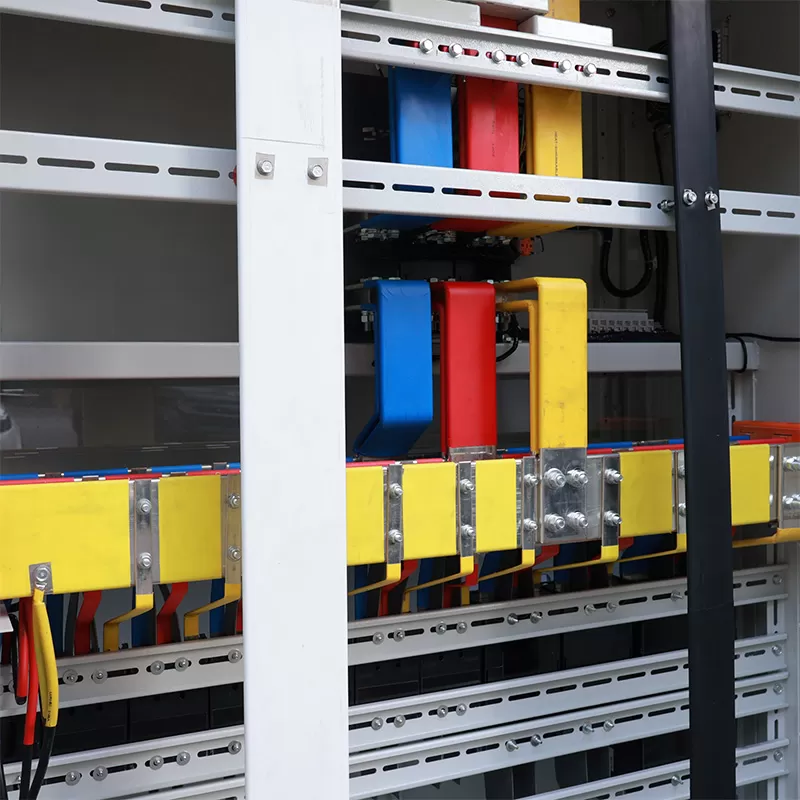
2. The Busbar System
Busbars are the rigid metallic strips that conduct heavy electrical currents. They replace complex, messy wiring to save space and reduce heat. A properly sized busbar arrangement is absolutely vital for system safety.
3. Main and Branch Circuit Breakers
Breakers act as the primary defense mechanism against electrical faults. The incoming power first hits a large Air Circuit Breaker (ACB). Then, the power flows into smaller MCCB circuit breaker units for localized branch distribution.
4. Surge Protection Devices (SPD)
Lightning strikes and grid fluctuations can easily destroy industrial machinery. SPDs absorb these massive, sudden voltage spikes. They redirect the excess energy safely to the grounding system.
Table 1: Common Protection Components in an MDB
| Component Type | Typical Ampere Rating | Primary Function in Cabinet |
| Air Circuit Breaker (ACB) | 800A - 6300A | Acts as the main incoming power switch with extreme short-circuit breaking capacity. |
| Molded Case Circuit Breaker (MCCB) | 16A - 1600A | Protects heavy branch circuits with adjustable thermal-magnetic overload settings. |
| Miniature Circuit Breaker (MCB) | 1A - 125A | Manages low-current sub-circuits, secondary control wiring, and internal cabinet lighting. |
| Residual Current Breaker (RCCB) | 16A - 100A | Detects earth leakage currents to protect operators from lethal electric shocks. |
| Surge Protective Device (SPD) | Class I / Class II | Diverts extreme voltage spikes from lightning strikes safely to the grounding grid. |
How Does a Power Distribution Panel Work?
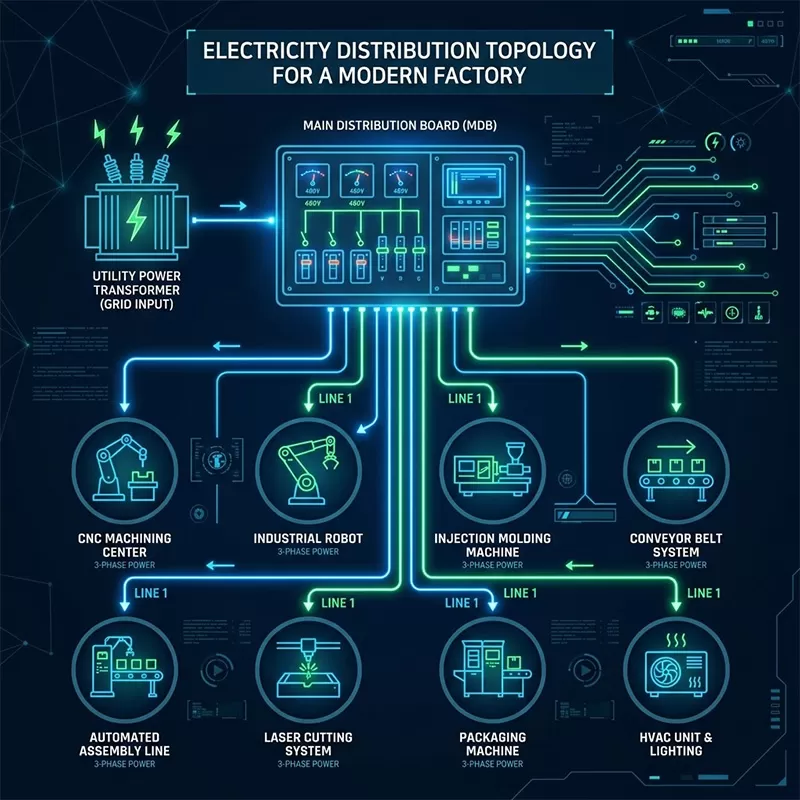
The operation follows a strict, logical path to guarantee safety. It is a highly controlled, one-way flow of electrical energy. Here is the step-by-step process of how power moves:
● Step 1: High-current power enters through the main incoming terminal.
● Step 2: The massive main breaker measures, filters, and accepts the load.
● Step 3: Electricity travels efficiently across the bare copper busbars.
● Step 4: Branch breakers distribute the separated power to specific machines or zones.
Common Materials: Copper vs. Aluminum
Buyers frequently ask about the best material for busbars and power routing. Copper is the gold standard for maximum conductivity and space-saving. Aluminum, however, is much lighter and significantly more cost-effective.
For heavy-duty industrial electrical cabinets, copper is highly recommended by engineers. It handles thermal stress and expansion much better over a long lifespan. Let's compare them directly to help your procurement choice.
Table 2: Comprehensive Busbar Material Comparison
| Engineering Feature | Copper Busbars | Aluminum Busbars |
| Electrical Conductivity | Premium (100% IACS rating standard) | Moderate (~61% IACS rating standard) |
| Thermal Dissipation | Superior heat transfer; runs cooler under load | Slower heat transfer; requires higher air gap |
| Cabinet Footprint | Compact cross-section (saves cabinet space) | Requires 1.5x larger cross-section for same load |
| Tensile Strength | High resistance to short-circuit electrodynamic force | Lower strength; prone to creep under joint pressure |
| Corrosion Resistance | Excellent (especially when tin or silver plated) | Forms oxide layer; requires anti-oxidation grease |
| Weight & Total Cost | Heavier weight with higher initial material investment | ~50% lighter weight with highly economical unit cost |
Key Applications and Industries
Where do we see these massive distribution hubs? They are installed almost everywhere that requires heavy, stable power. An electrical panel board is absolutely indispensable in the following sectors:
● Manufacturing Plants: Powering heavy motor loads, conveyors, and automated assembly lines.
● Data Centers: Ensuring completely uninterrupted, clean power to sensitive server racks.
● Commercial High-Rises: Distributing main electricity to different floors, lighting, and HVAC systems.
● Solar Farms: Managing and aggregating renewable energy collected before grid distribution.

FAQ
Q: How often should a main distribution board (MDB) be inspected?
Industrial safety standards recommend a visual inspection every 6 months. A comprehensive thermal imaging test should occur annually. This prevents loose, overheating connections from causing factory fires.
Q: What is the difference between an electrical panel board and switchgear?
Panel boards typically handle lower voltage capacities for commercial use. Low voltage switchgear handles massive fault currents and features complex, draw-out breakers. Switchgear is built specifically for heavy, punishing industrial environments.
Q: Can I upgrade an existing power distribution panel?
Yes, many modular cabinets allow for safe, future expansion. You can add new branch breakers or upgrade the main ACB component. However, the existing busbar capacity must support the new total electrical load.
Q: Why do my MCCB circuit breaker units keep tripping?
Tripping usually indicates an overloaded circuit or a dangerous short fault. It could also mean the breaker is aging and losing its thermal calibration. Always have a certified electrical engineer evaluate frequent breaker trips.





.webp?t=1787649054185 "22-Day Delivery: 50kW Sync Panels to Philippines")