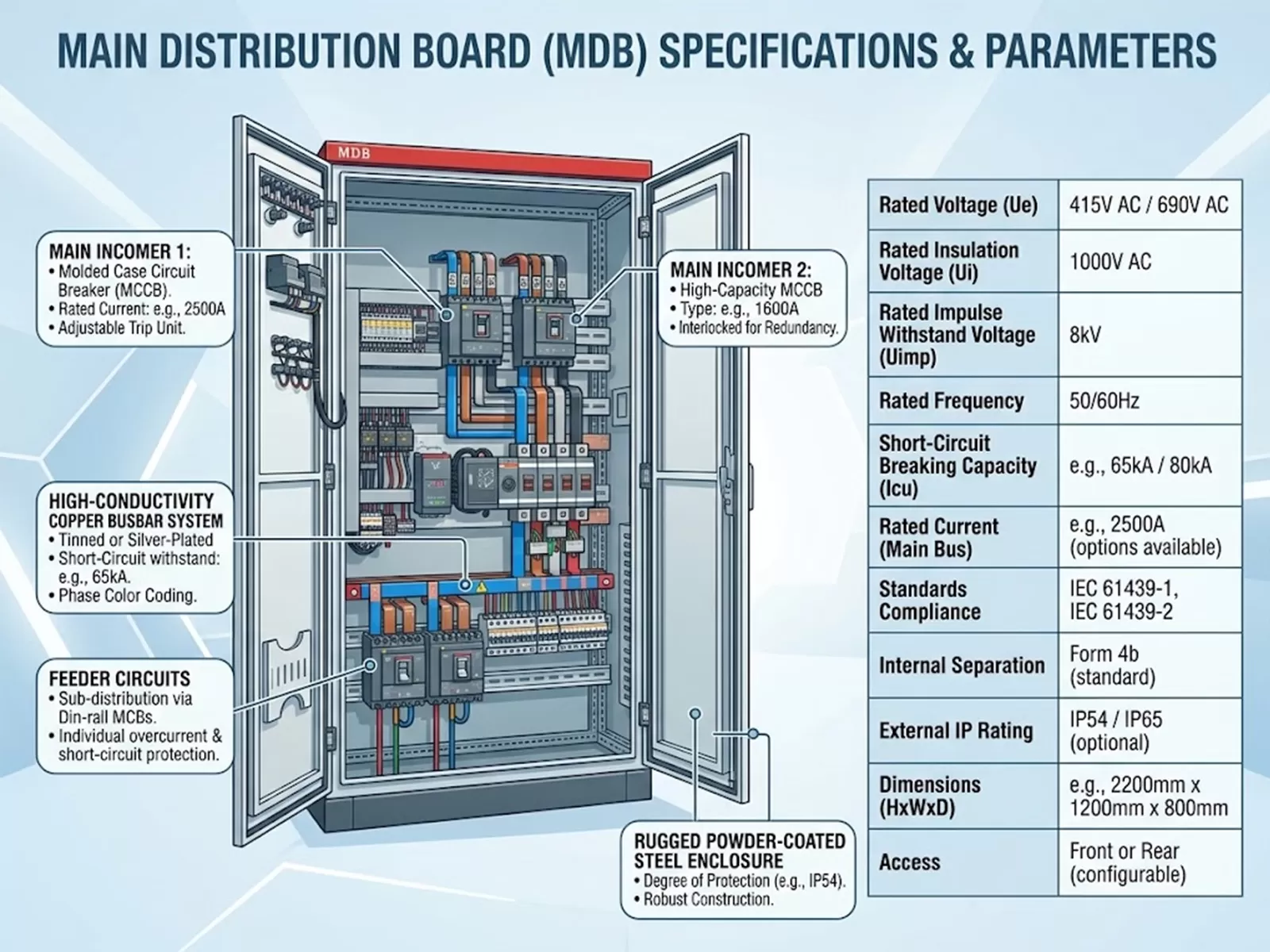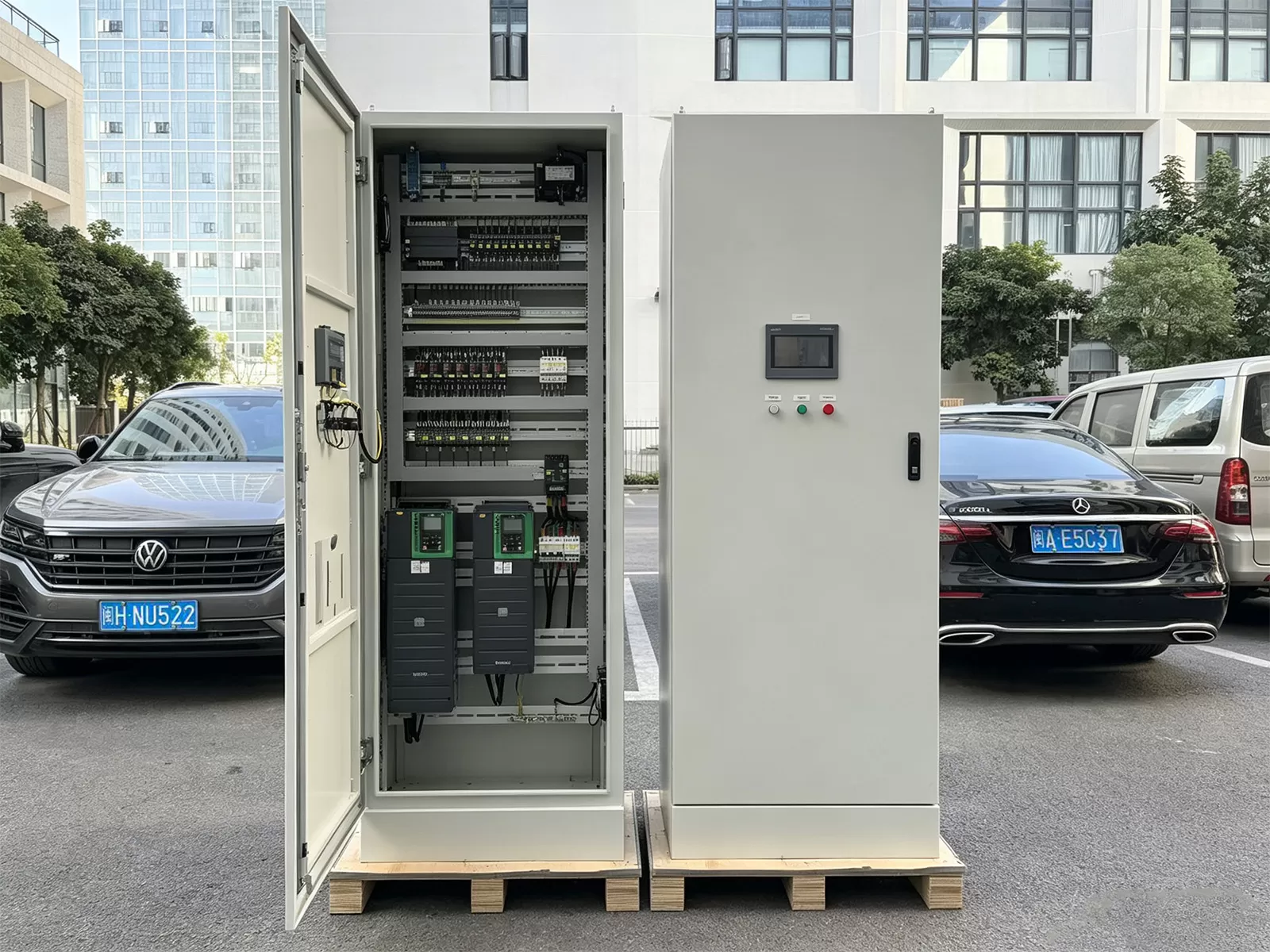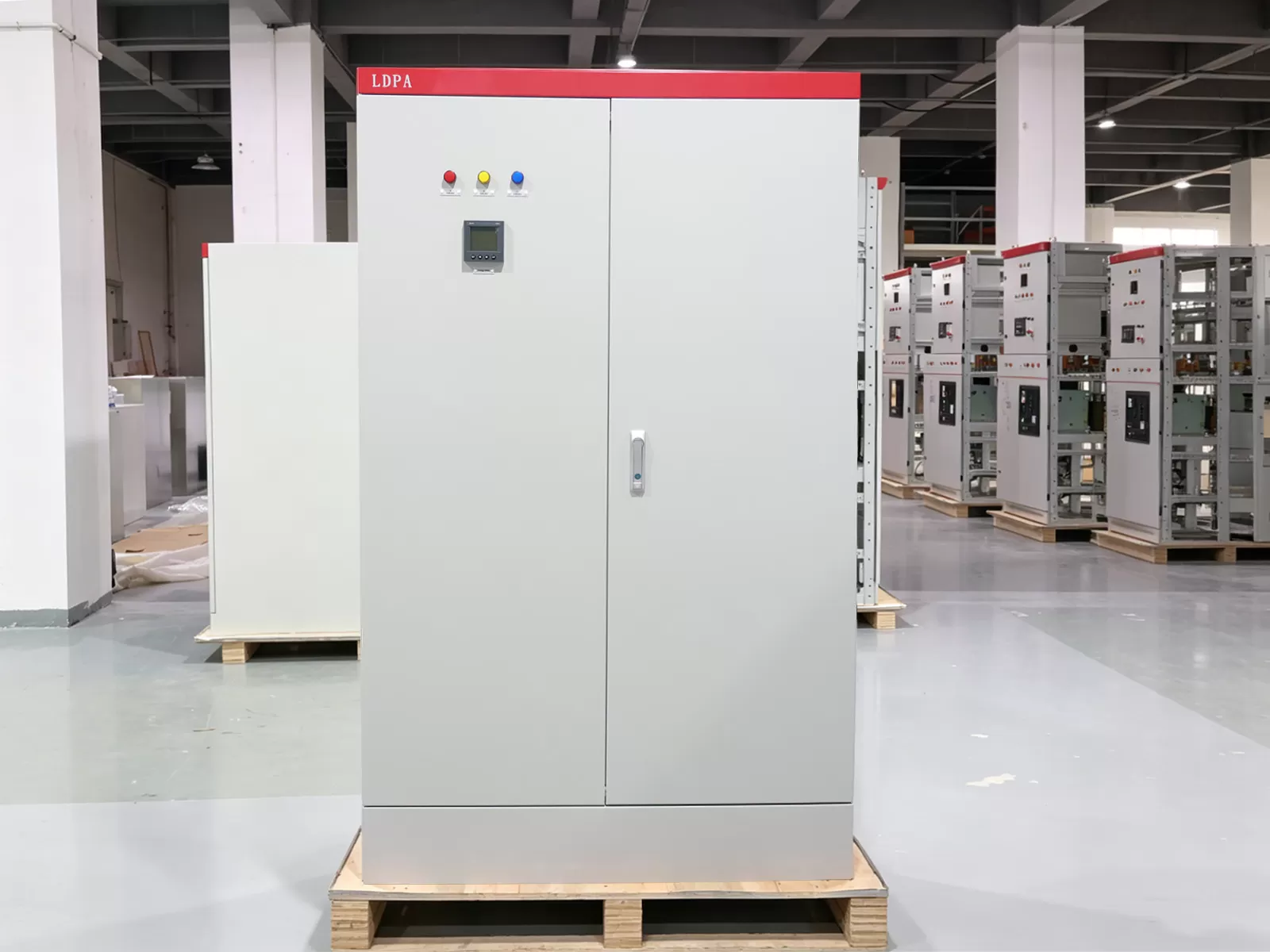
Introduction
A tripping electrical feeder cabinet instantly shuts down critical production lines. This unexpected downtime leads to massive financial losses and potential safety hazards on the factory floor.
Finding the root cause quickly is essential for your engineering team. This troubleshooting guide will help you diagnose the exact problem, restore power safely, and implement permanent solutions to prevent future trips.
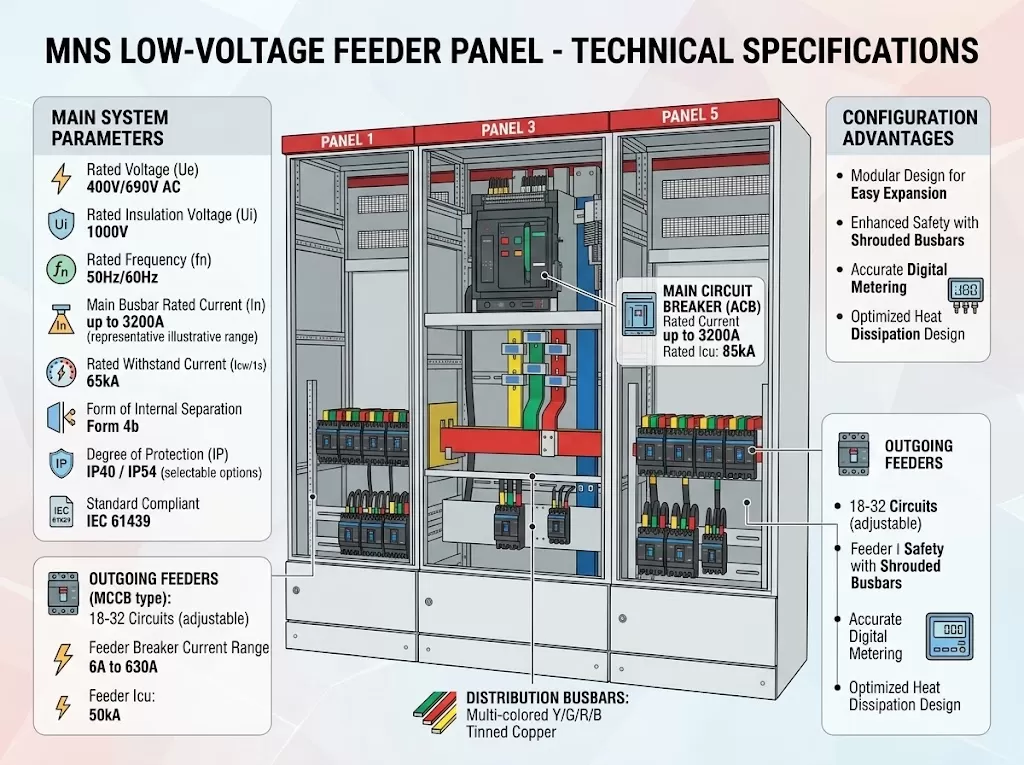
Cause 1: Overloaded Outgoing Feeder Circuit
The most common reason for tripping is simply pulling too much power through the system. When downstream machinery draws more current than the breaker's rated capacity, it trips to prevent overheating and fires.
○ Adding new heavy machinery to an existing outgoing feeder circuit without upgrading the breaker capacity.
○ Motors drawing massive inrush currents during a simultaneous plant start-up sequence.
○ Improperly balanced three-phase loads causing one specific phase to overload and trip the main switch.
Cause 2: Loose Feeder Cable Terminations
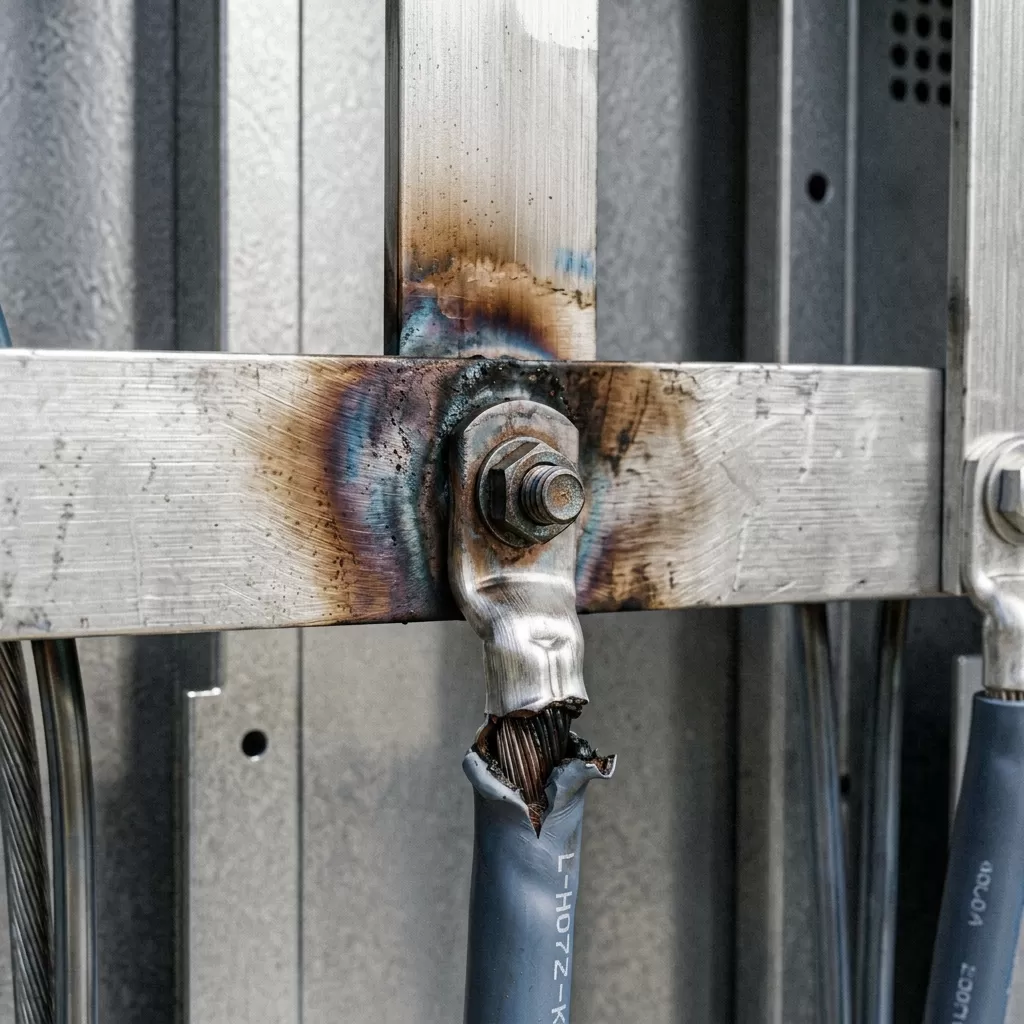
Electrical connections naturally loosen over time due to constant machine vibration and thermal expansion. A loose feeder cable termination creates high electrical resistance at the joint.
○ High resistance generates extreme localized heat that accidentally triggers the breaker's thermal sensor.
○ Vibrations from nearby heavy equipment loosening terminal bolts over several months of operation.
○ Failing to use a calibrated torque wrench during the initial panel installation, leaving lugs undertightened.
Standard Operating Limits for Feeder Panels
To help you diagnose issues faster, compare your real-time measurements against these standard thresholds. If your readings exceed the warning limits, a trip is imminent.
Table 1: Standard Limits and Thresholds
| Parameter | Normal Operating Range | Warning Threshold | Critical Trip Level |
| Phase Current (400A Rated System) | 100A - 320A (≤ 80% Load) | 350A - 380A | > 400A (Overload Trip) |
| Busbar Joint Temperature | 40°C - 65°C | 75°C | > 90°C (Thermal Trip Risk) |
| Voltage Imbalance | 0% - 2% | 3% - 4% | > 5% (Motor Damage Risk) |
| Insulation Resistance | > 1.0 Megohm | 0.5 - 1.0 Megohm | < 0.5 Megohm (Ground Fault) |
Cause 3: Aging or Faulty Circuit Breakers
Even the highest quality power distribution enclosure components have a limited mechanical lifespan. A worn-out breaker becomes overly sensitive and trips well below its actual rated capacity.
○ Mechanical wear and tear on internal springs after years of frequent switching operations.
○ Dust and debris buildup inside the breaker mechanism causing false thermal readings.
○ Degradation of internal contacts leading to a frustrating phenomenon known as "nuisance tripping."
Cause 4: Ground Faults and Short Circuits
A sudden circuit breaker tripping under load is often the system's defense against catastrophic shorts. This happens when a live wire touches a ground wire, another phase, or the metal casing.
○ Insulation breakdown on aging cables causing current to leak directly to the ground.
○ Moisture or condensation accumulating inside a poorly sealed low voltage feeder pillar.
○ Physical damage to internal cables caused by rodents, vibration abrasion, or heavy machinery impacts.
Cause 5: Incorrect Relay Coordination
In complex grids, multiple protective devices must work in perfect harmony. If the overcurrent protection relay settings are mismatched, the wrong breaker might trip first.
○ The main feeder breaker trips before the smaller downstream machine breaker, shutting down the whole plant.
○ Incorrect time-delay settings programmed into the digital protection relays during commissioning.
○ Factory default settings were never adjusted by engineers to match the specific site load profile.
How to Fix and Prevent Feeder Cabinet Trips
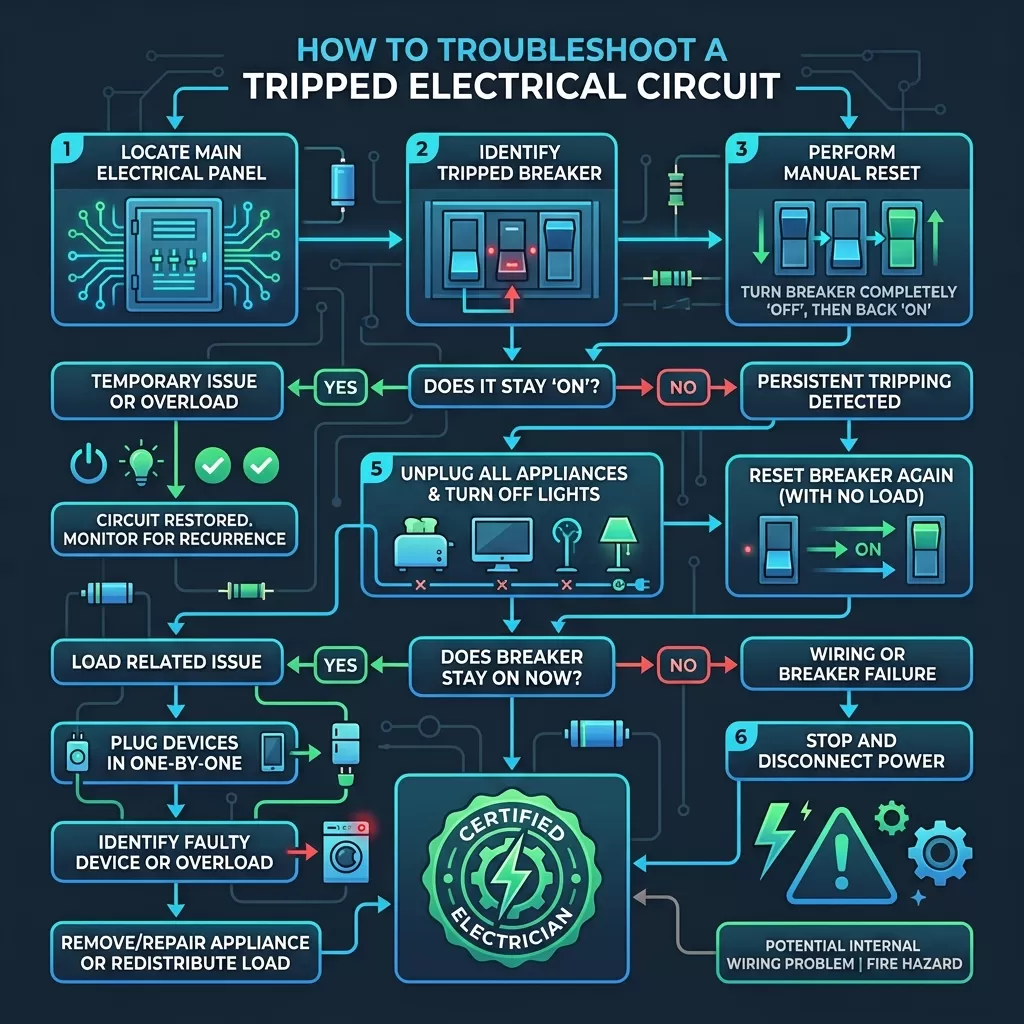
Stopping the trip cycle requires a systematic engineering approach, not just repeatedly resetting the breaker. Here are the core actions to permanently stabilize your feeder distribution panel.
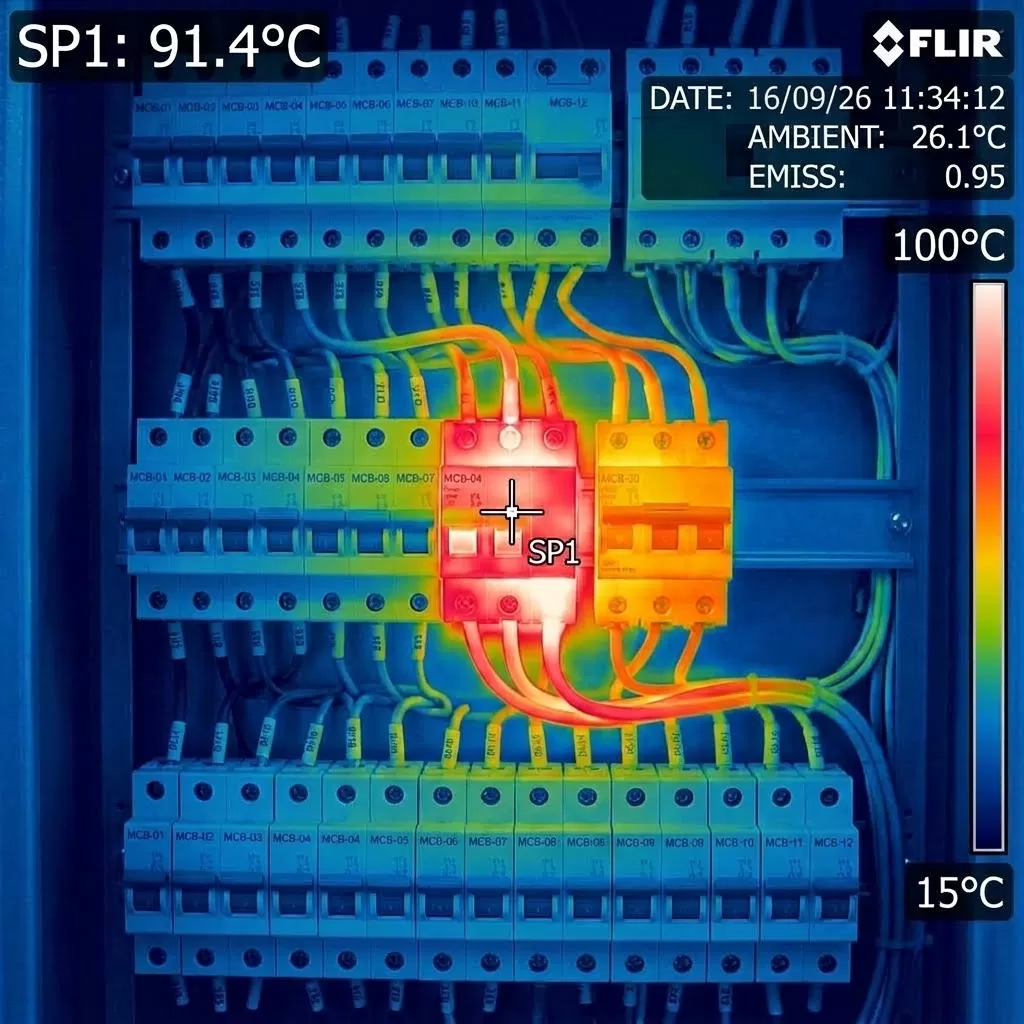
1. Conduct Immediate Thermal Imaging
Scan the entire cabinet with an infrared camera while the system is under full load. This instantly identifies hidden loose connections, hot spots, and failing breakers before they cause a trip.
2. Re-Torque All Connections
Schedule a brief maintenance window to tighten all copper busbar bolts and cable lugs. Always use a calibrated torque wrench to meet the manufacturer's exact mechanical specifications.
3. Upgrade to Smart Load Monitoring
Install digital power meters to track real-time current draw and voltage on each phase. This allows your team to balance electrical loads and prevents overloading before it happens.
Troubleshooting Matrix
Use this quick-reference matrix to match your specific symptom with the fastest engineering solution.
Table 2: Troubleshooting Matrix (Symptom | Cause | Solution)
| Symptom | Probable Cause | Fast Solution |
| Trips immediately upon machine startup | High Inrush Current / Mismatched Relay | Adjust relay time-delay settings or install a soft starter. |
| Trips after 1-2 hours of operation | Thermal Overload / High Ambient Temp | Check for loose connections; improve cabinet ventilation. |
| Loud pop/flash before tripping | Dead Short Circuit / Phase-to-Phase Fault | Inspect cables for damaged insulation; replace wiring. |
| Random tripping with no obvious load change | Aging Breaker / Nuisance Tripping | Replace the degraded circuit breaker with a new unit. |
FAQ
Q: Why does the feeder breaker trip only during the summer?
A: High ambient temperatures reduce the thermal capacity of the breaker, making it trip faster. Upgrading cabinet ventilation, adding cooling fans, or moving to an air-conditioned room usually solves this seasonal issue.
Q: Can I just swap the tripped breaker for a larger capacity one?
A: Never increase a breaker's size without upgrading the cables and busbars first. Doing so removes the protection limit, allowing wires to overheat and creating a severe fire hazard.
Q: How often should we test the protective relays in the cabinet?
A: Industrial best practices dictate secondary injection testing every 1 to 2 years. This ensures the digital relays will actuate exactly when needed during a real electrical fault.