
Introduction
Protecting sensitive automation components from harsh environments is the core function of outdoor electrical enclosures. A single water leak can cause catastrophic short circuits and massive factory downtime.
Choosing the wrong ingress protection rating often leads to massive financial losses and severe safety hazards. EPC contractors must clearly understand the precise environmental limits of their equipment.
This comprehensive guide will demystify the core differences between IP54 and IP65 standards. We will help you confidently select the exact specifications needed for your next industrial project.
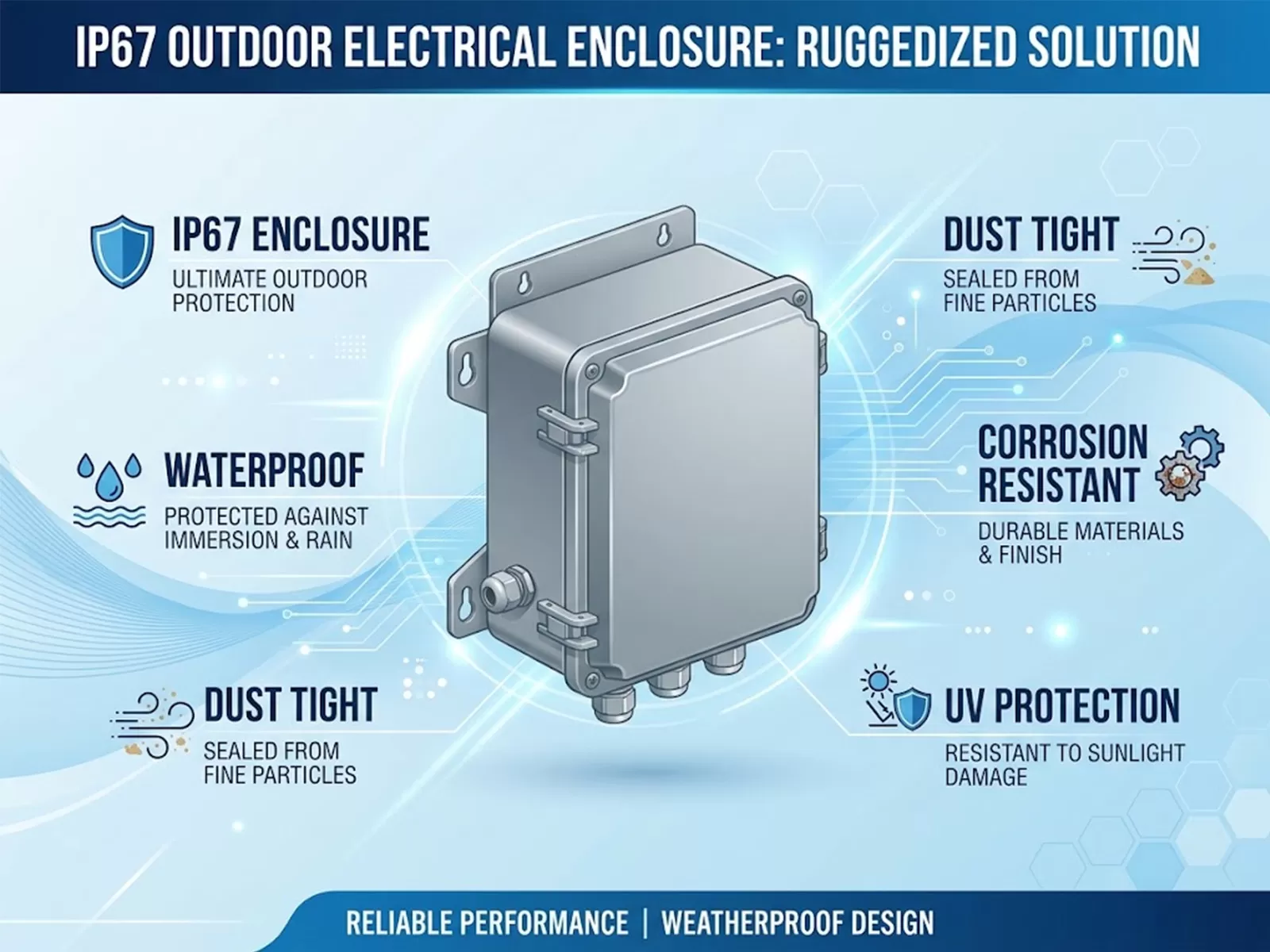
Understanding Ingress Protection: IP54 vs IP65
Before procuring a weatherproof electrical box, engineers must analyze the two digits in the IP code. The first digit represents dust protection, while the second indicates water resistance.
The Characteristics of an IP54 Enclosure
An IP54 electrical cabinet offers solid protection against everyday industrial environments. It is not completely dust-tight, but dust will not interfere with the safe operation of internal components.
○ It blocks splashing water from any direction, making it suitable for sheltered outdoor areas.
○ It is highly cost-effective for standard manufacturing facilities and covered parking structures.
○ Standard IP54 designs rely on basic folded metal channels and simple rubber strip seals.
.webp?t=1784778325333 "IP54 vs IP65 (2)")
The Characteristics of an IP65 Enclosure
An IP65 waterproof enclosure is completely dust-tight and highly resilient against water ingress. It can safely withstand low-pressure water jets from a 6.3mm nozzle from any direction.
○ This rating is strictly mandatory for fully exposed outdoor environments with heavy rain.
○ It utilizes advanced continuous PU (polyurethane) pouring gaskets for a flawless, gap-free seal.
○ It is the standard engineering choice for solar farms, marine ports, and heavy washdown areas.
Key Factors to Consider When Selecting Your Equipment
Selecting an outdoor control panel enclosure requires evaluating multiple engineering and environmental parameters. You must perfectly align the cabinet's physical properties with your specific site conditions.
Application Scenario vs. Recommended Specifications Matrix
| Application Scenario | Recommended IP Rating | Recommended Material | Additional Features Required |
| Covered Outdoor Walkway | IP54 | Powder-coated Carbon Steel | Standard ventilation louvers |
| Fully Exposed Solar Farm | IP65 | Galvanized Steel / SS304 | Rain canopy, anti-UV coating |
| Coastal / Marine Port | IP65 | Stainless steel electrical enclosure (SS316L) | Salt-spray resistance, CPT heater |
| Chemical Washdown Area | IP65 | SS304 or Polycarbonate | Chemical-resistant door gaskets |
1. Material Selection and Corrosion Resistance
The material of your cabinet directly dictates its physical lifespan in the field. Carbon steel with high-quality powder coating is sufficient for mild, non-corrosive environments.
○ Stainless steel (304 or 316L) is mandatory to prevent rust in coastal or chemical environments.
○ Galvanized steel offers an excellent middle-ground solution with strong rust resistance and structural rigidity.
○ Fiberglass options provide superior electrical insulation but may degrade under intense UV exposure.
.webp?t=1784778325333 "IP54 vs IP65 (3)")
2. Standards, Certifications, and Equivalency
International projects often require cross-referencing European IP ratings with North American NEMA standards. Understanding the difference between NEMA 4X vs IP65 is critical for seamless global compliance.
○ NEMA 4X offers IP65 level water/dust protection but adds strict corrosion resistance requirements.
○ CE and RoHS certifications ensure the cabinet meets fundamental European safety and environmental standards.
○ UL certification is absolutely required for any electrical enclosure being deployed in the US or Canada.
Customization vs. Standard Configurations
Standard off-the-shelf cabinets are inexpensive but often require risky on-site drilling and modifications. Custom engineering ensures the enclosure perfectly matches your single-line diagram (SLD).
○ Custom laser cutouts for HMI screens and ventilation fans maintain the original IP rating integrity.
○ Pre-installed mounting plates and DIN rails drastically reduce field wiring time for contractors.
○ Specialized roof canopies (rain hoods) can be factory-welded to deflect standing water and solar heat.
.webp?t=1784778325333 "IP54 vs IP65 (4)")
Evaluating the Total Cost of Ownership (TCO)
Smart procurement teams look far beyond the initial capital expenditure (CAPEX) of the metal box. The operational expenditure (OPEX) over a 20-year lifespan is where true project savings are realized.
○ Investing in superior IP65 sealing prevents costly emergency maintenance trips due to water damage.
○ Proper thermal management designs extend the lifespan of internal VFDs and PLCs, saving replacement costs.
○ Choosing durable, corrosion-resistant materials reduces the need for frequent repainting over the years.
.webp?t=1784778325333 "IP54 vs IP65 (5)")
Supplier Selection Criteria: Beyond the Product
Finding a reliable electrical enclosure manufacturer is just as important as selecting the product itself. Your vendor must act as a capable technical partner, not just a basic metal fabricator.
○ Verify their in-house engineering capabilities, specifically their 3D CAD design and layout support.
○ Demand strict transparency in their quality control (QC) process, including water ingress testing protocols.
○ Assess their raw material supply chain stability to ensure they can meet strict project delivery deadlines.
Vendor Evaluation Checklist Matrix
| Evaluation Criteria | Red Flag (Do Not Buy) | Green Flag (Premium Supplier) |
| Engineering Support | Only sells standard sizes; no CAD drawings | Offers custom laser cutouts and internal layout design |
| Sealing Technology | Uses cheap, glued-on rubber strips | Uses automated CNC PU pouring for seamless gaskets |
| Quality Control | No formal testing facility | Provides documented IP rating test reports |
| Delivery Strategy | Shipped in loose pieces for site assembly | Shipped fully assembled and factory-tested |
FAQ
Q1: Can an IP54 cabinet be used in direct rain?
No, IP54 is only designed to handle light splashing water, not continuous heavy rainfall. For completely exposed outdoor installations, IP65 is the minimum safe requirement.
Q2: Do outdoor enclosures need ventilation?
Yes, internal electrical components like transformers generate significant heat that must escape. However, any added ventilation fans or louvers must utilize specialized filters to maintain the overall IP rating.
Q3: How often should the door gaskets be replaced?
High-quality PU-injected gaskets typically last 5 to 7 years depending on UV exposure and daily door usage. Routine maintenance should include visually inspecting the seals for cracks or compression loss.
Q4: Is stainless steel always better than powder-coated steel?
Not necessarily, as stainless steel is significantly more expensive and harder to machine. High-quality powder-coated steel is perfectly adequate and highly cost-effective for inland, non-corrosive outdoor environments.
.webp?t=1784778325333 "IP54 vs IP65(6)")
Protect Your Infrastructure with Expert Manufacturing
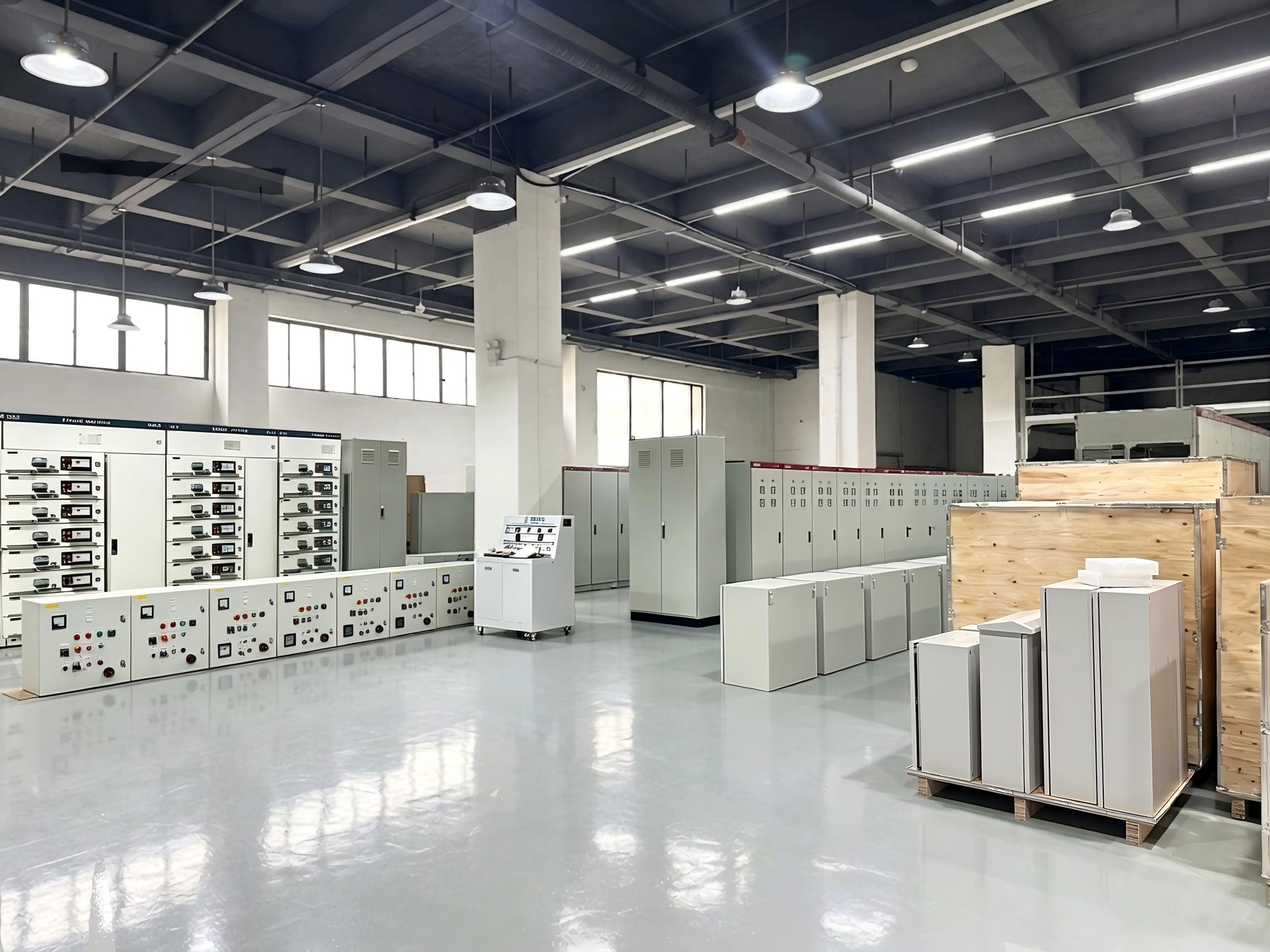
Are you ready to secure your outdoor electrical systems with precision-engineered solutions? As a dedicated factory specializing in custom power distribution control cabinets, we deliver fully assembled, globally certified enclosures tailored to your exact specifications. Contact our engineering team today with your SLD or dimensions for a rapid, customized technical proposal.





.webp?t=1787649054185 "22-Day Delivery: 50kW Sync Panels to Philippines")
.webp?t=1787648147488 "Xdepe 100% FAT Protocol Ensures Zero-Defect Electrical Cabinets")
.webp?t=1787647313485 "Top 10 Power Distribution Cabinet Manufacturers")
.webp?t=1787642349973 "Xdepe HV & LV Electrical Cabinets Achieve Full CE Certification")
.webp?t=1787641839853 "Top 10 Floor-Standing Electrical Cabinet Manufacturers")