Q: What is the primary purpose of a reactive power compensation cabinet?
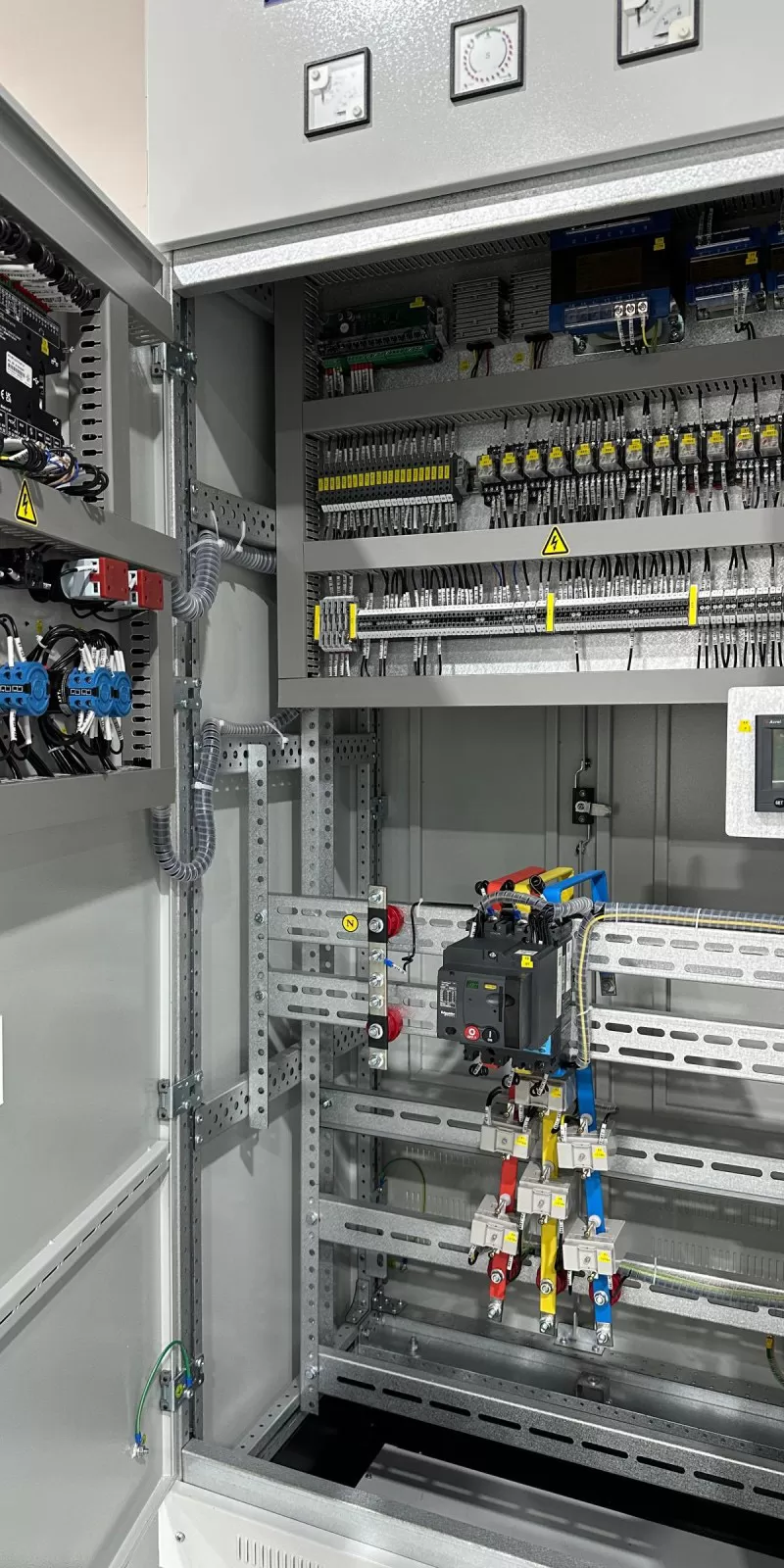
A: It improves grid efficiency by offsetting lagging current, reducing total power demand and eliminating utility penalties for low power factor.
Q: How does the automatic controller function inside the panel?
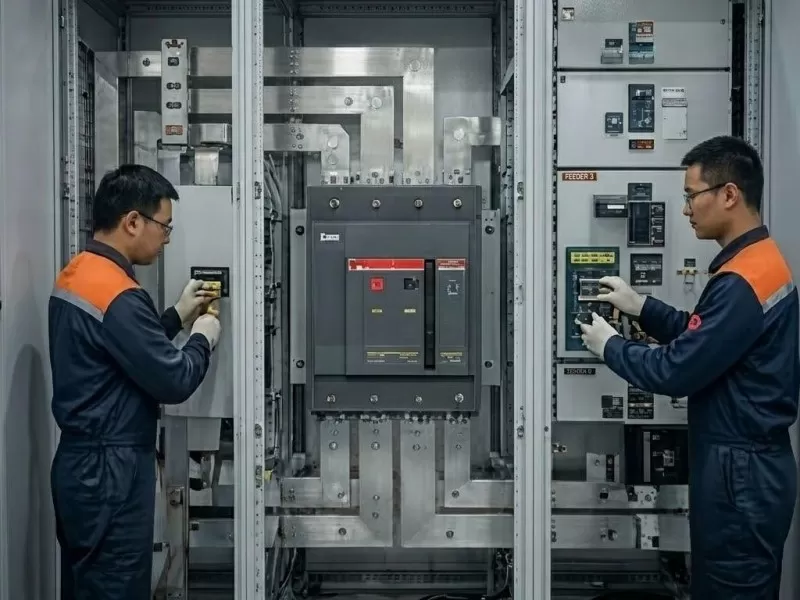
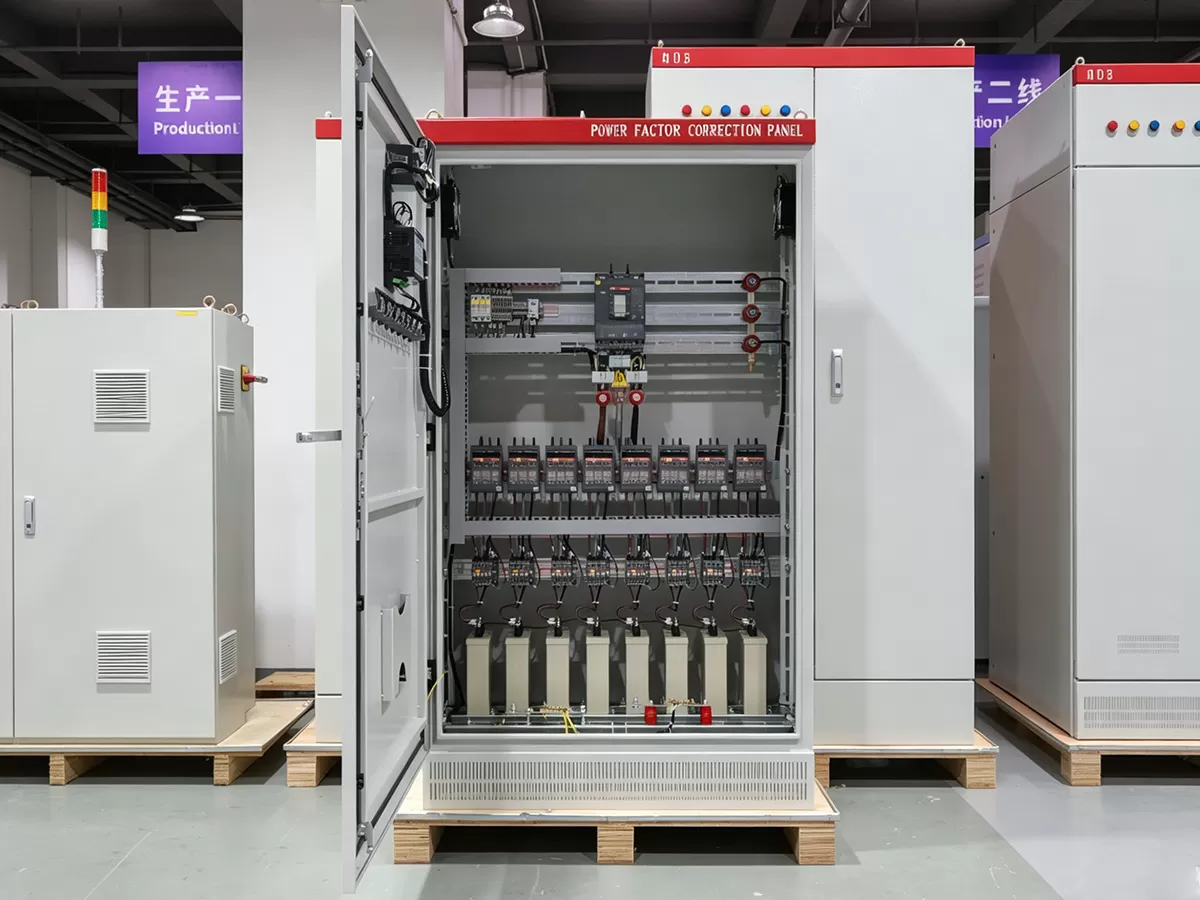
A: The controller continuously tracks phase angles, instructing contactors to switch capacitor steps in or out to maintain target efficiency.
Q: Is this equipment safe for harsh, demanding industrial environments?
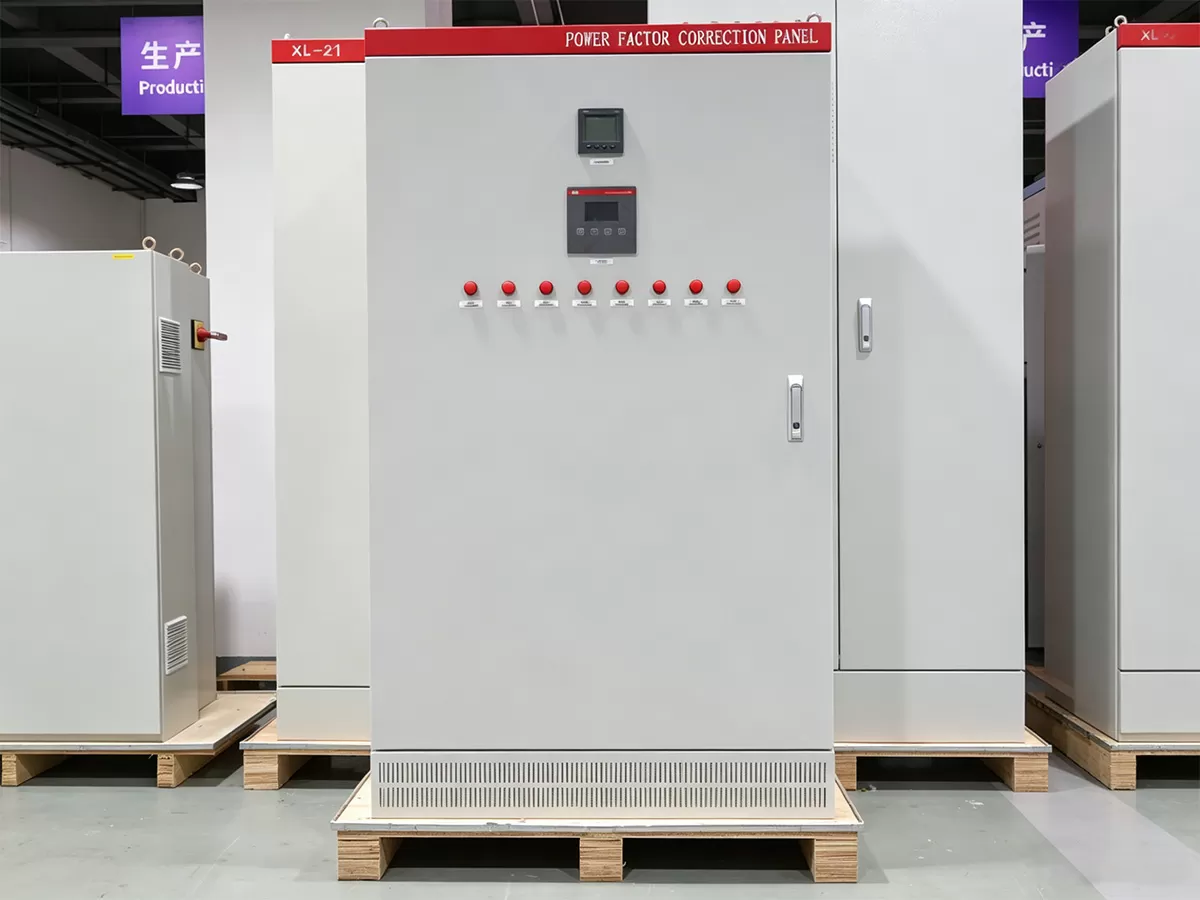
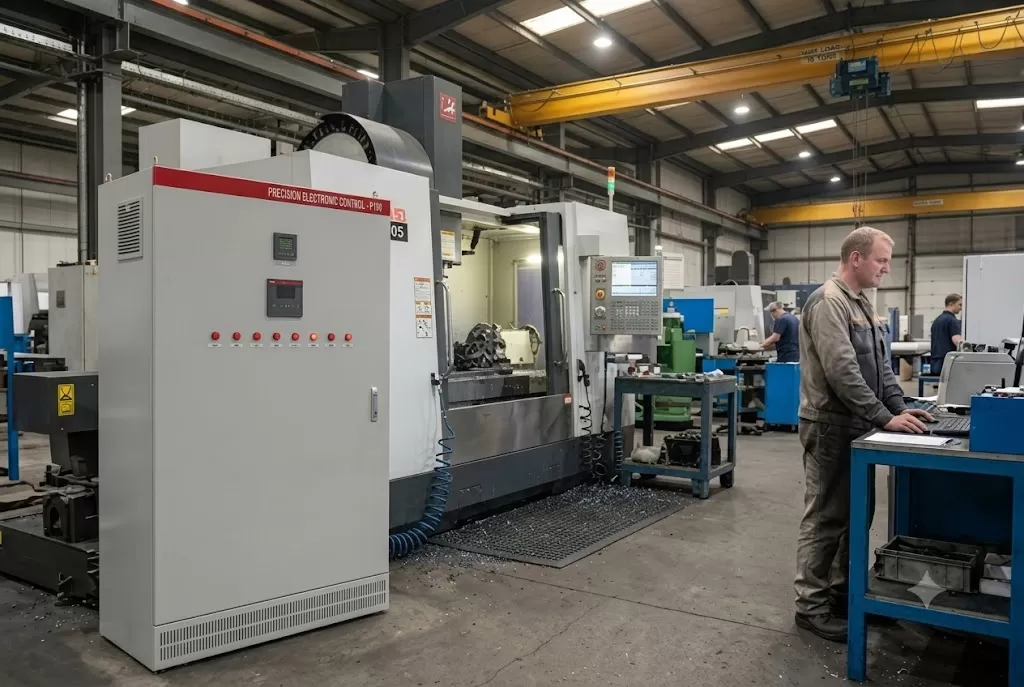
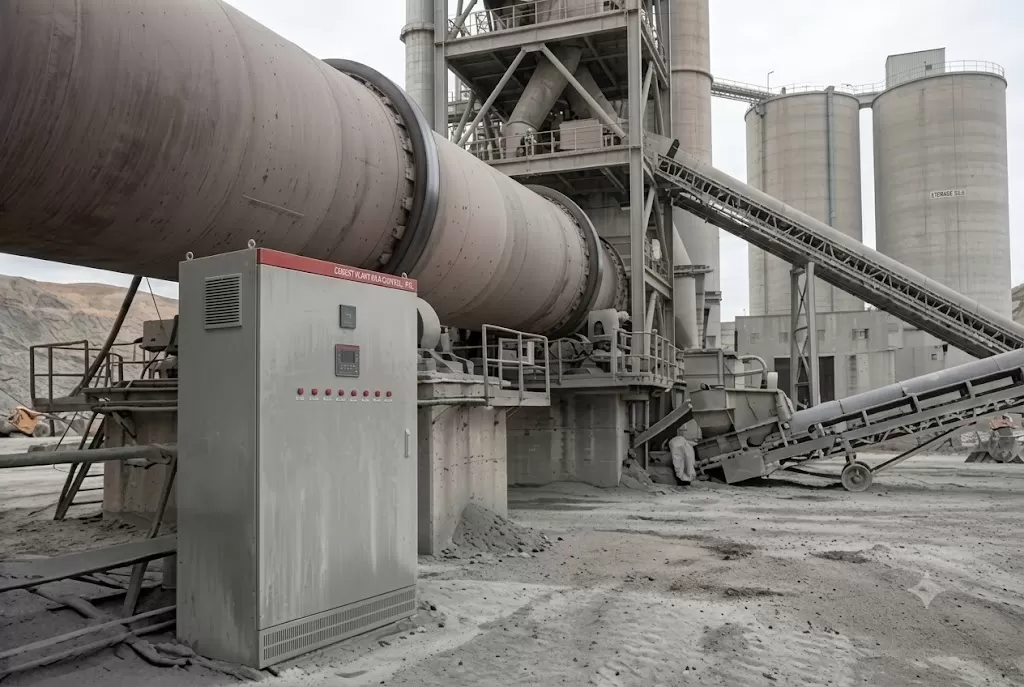
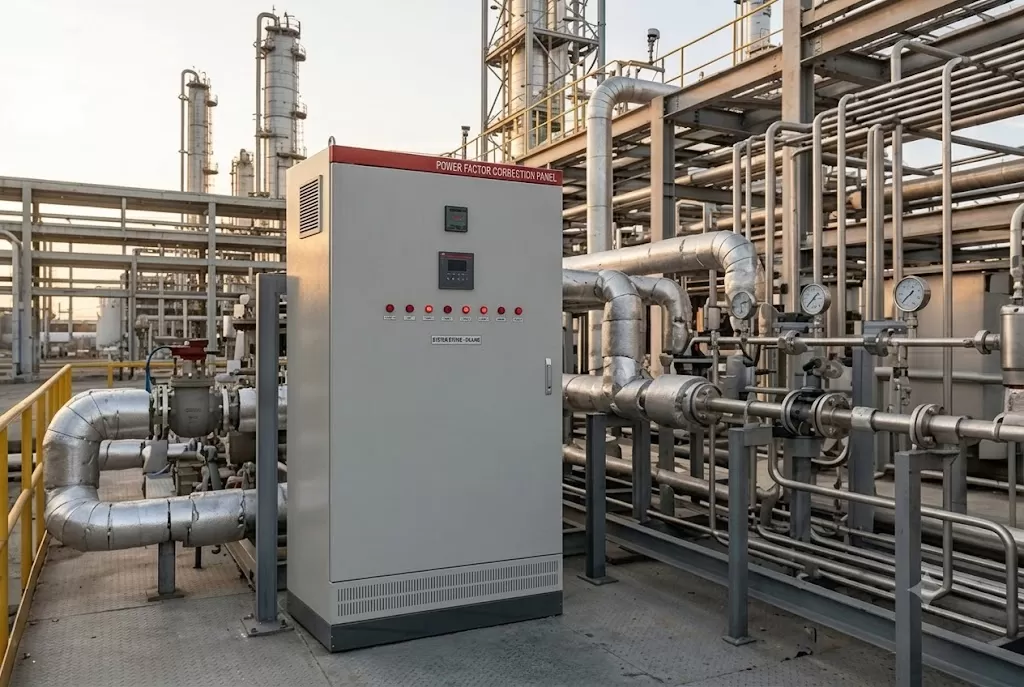
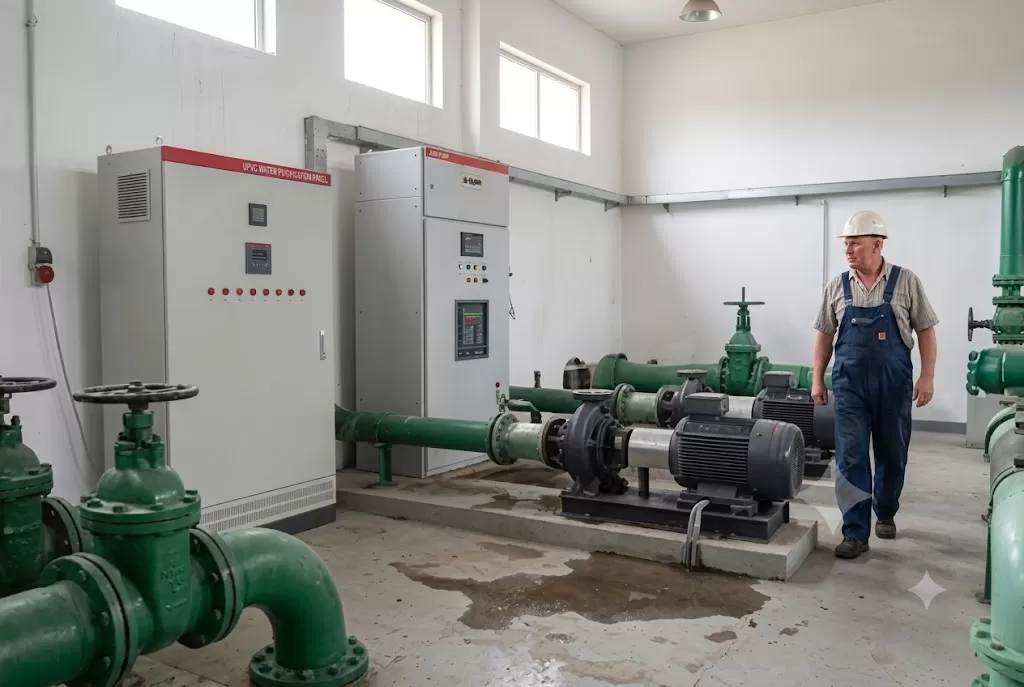
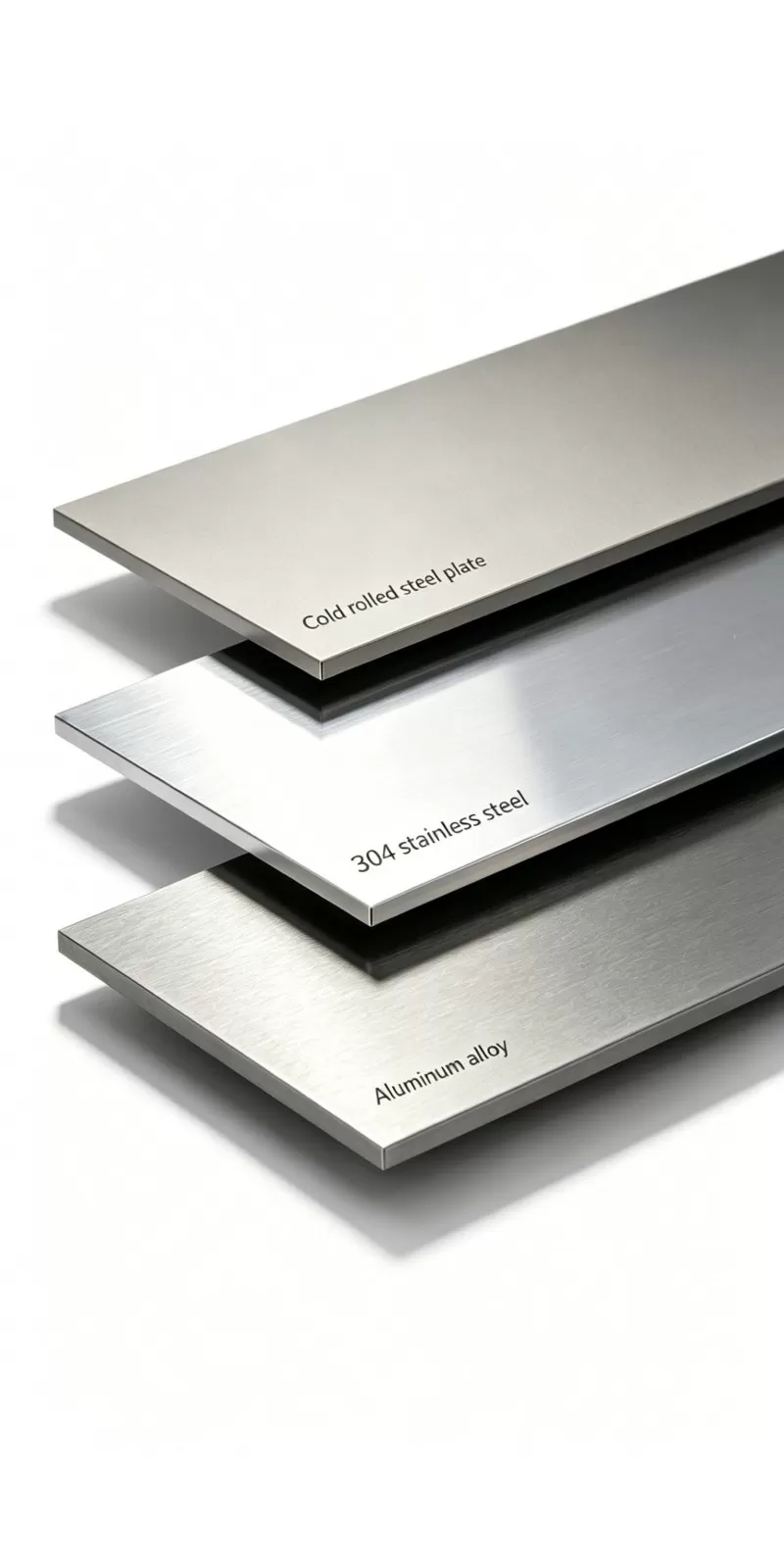
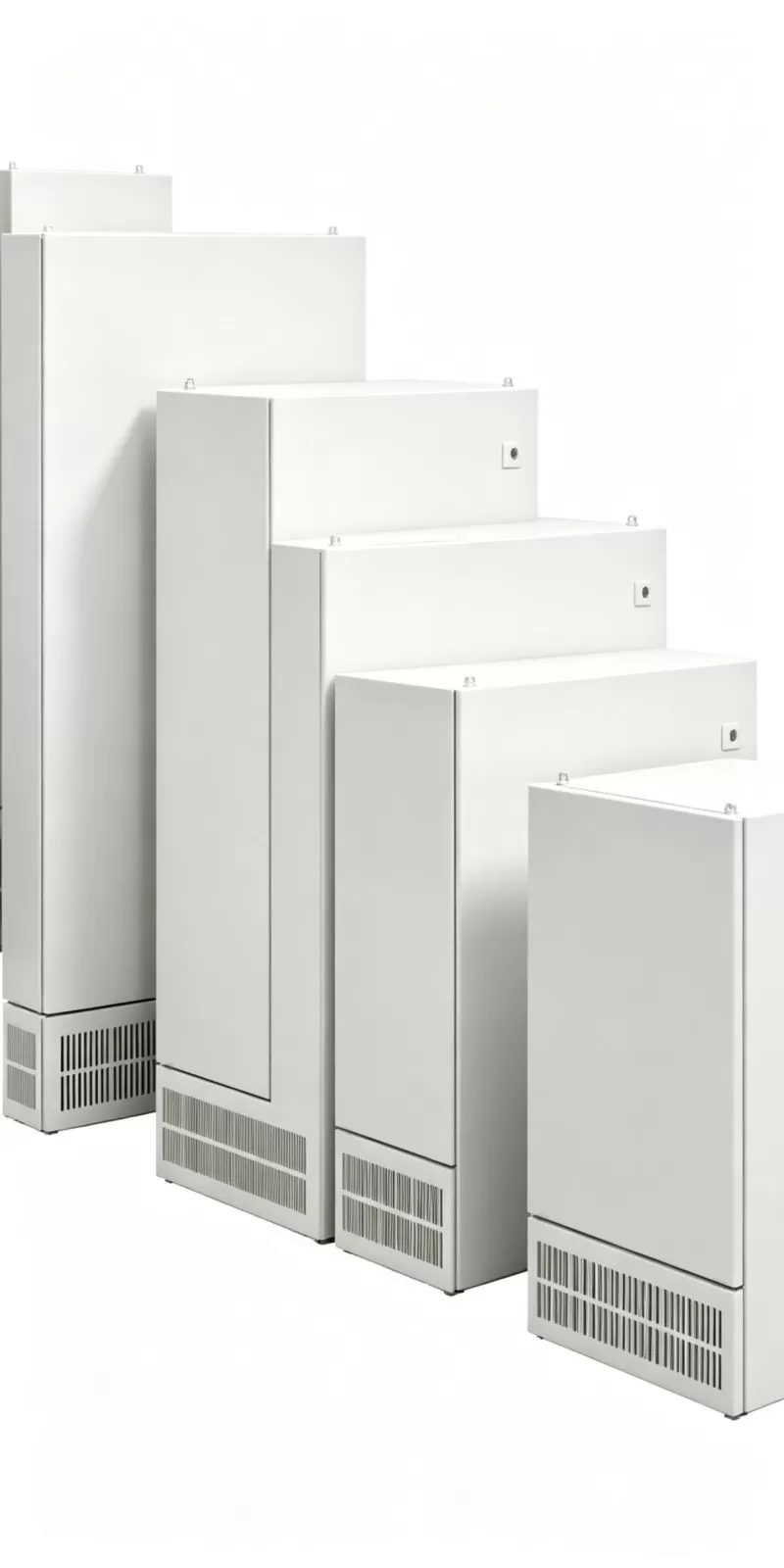
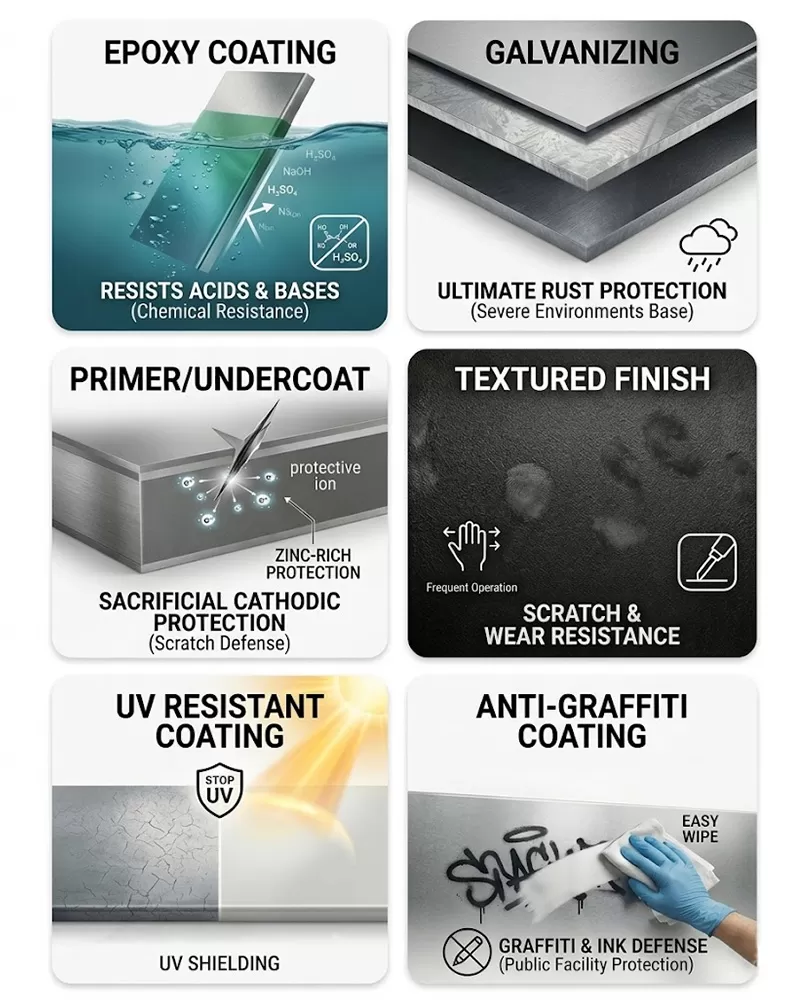
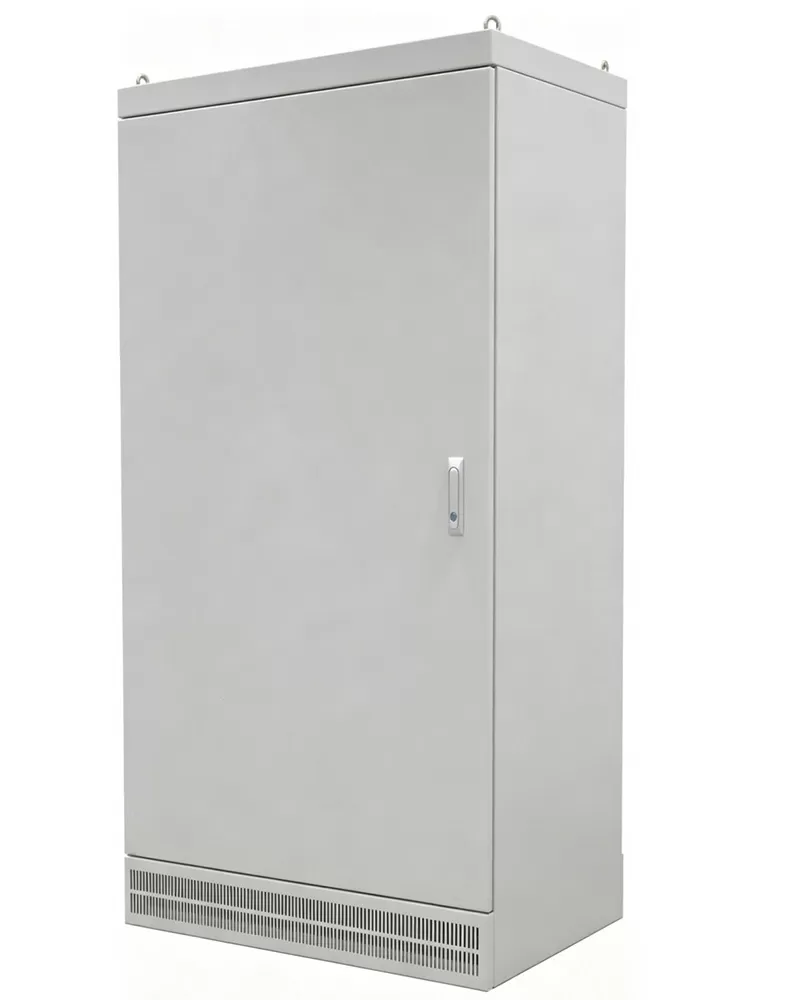
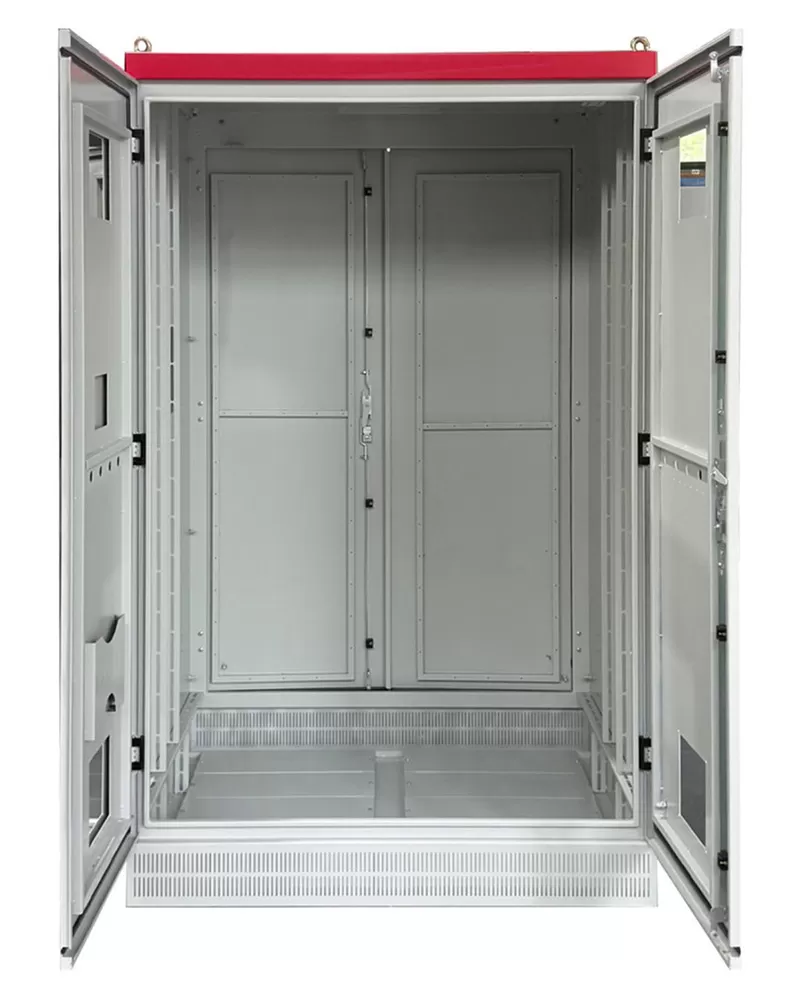
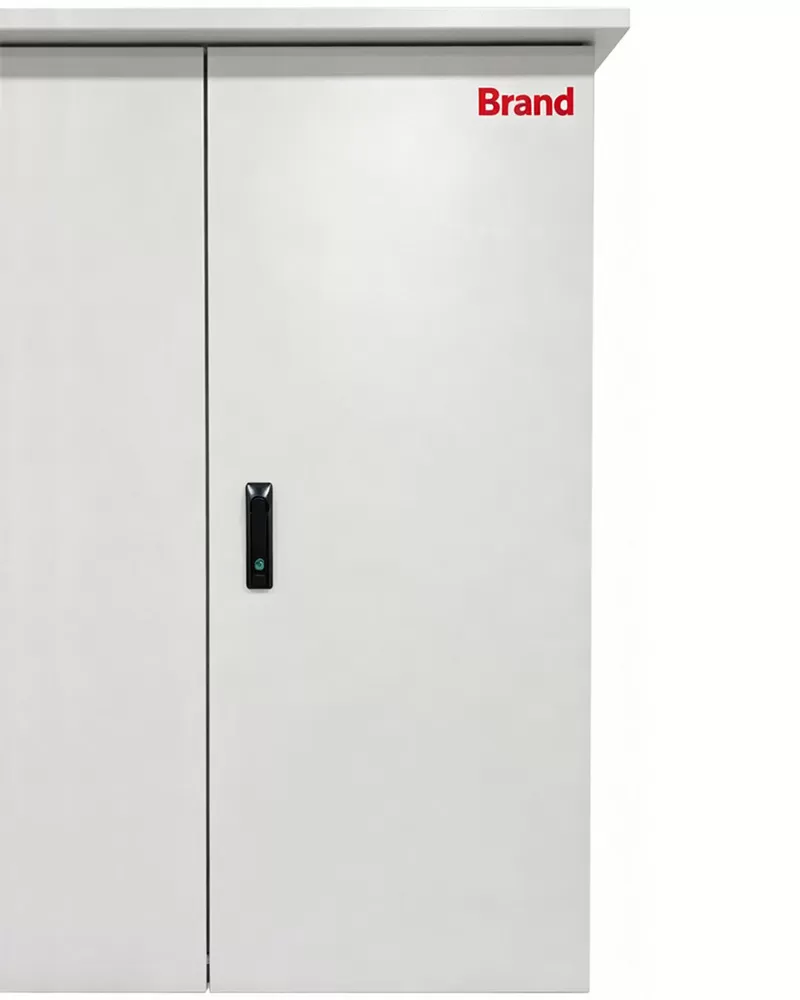
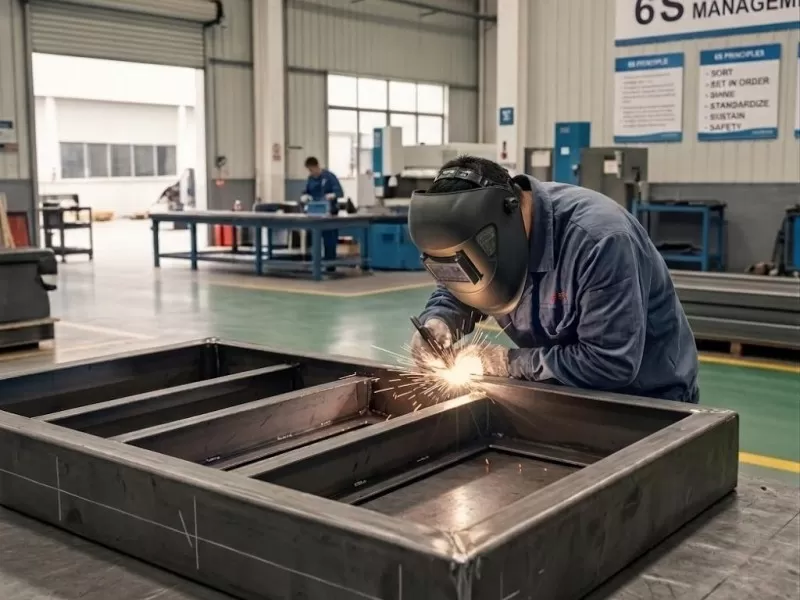
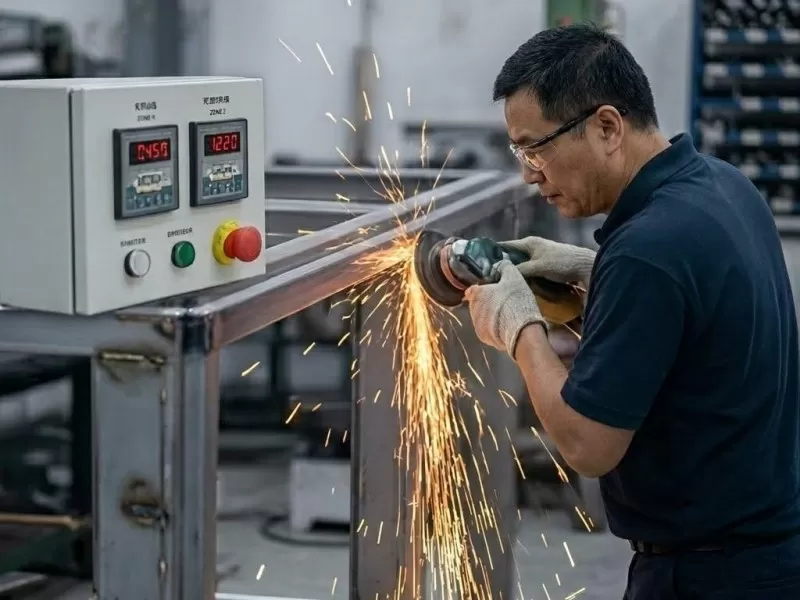
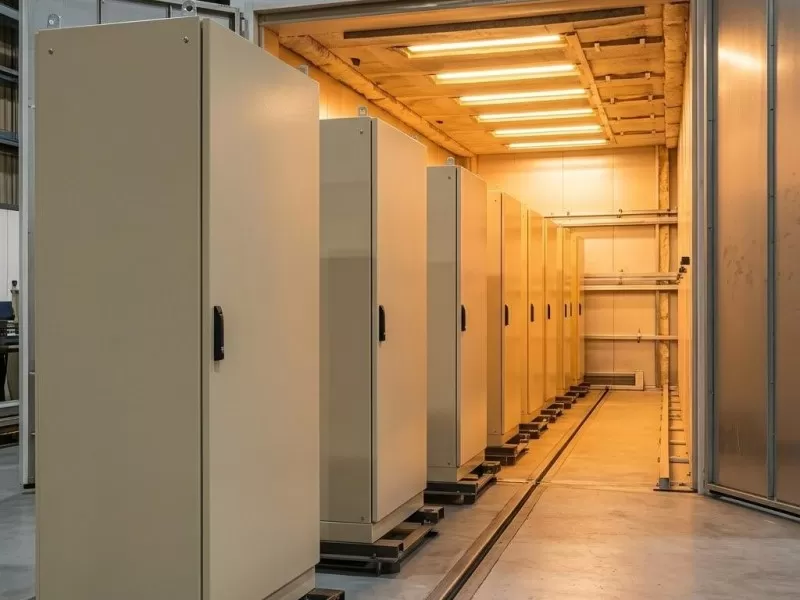
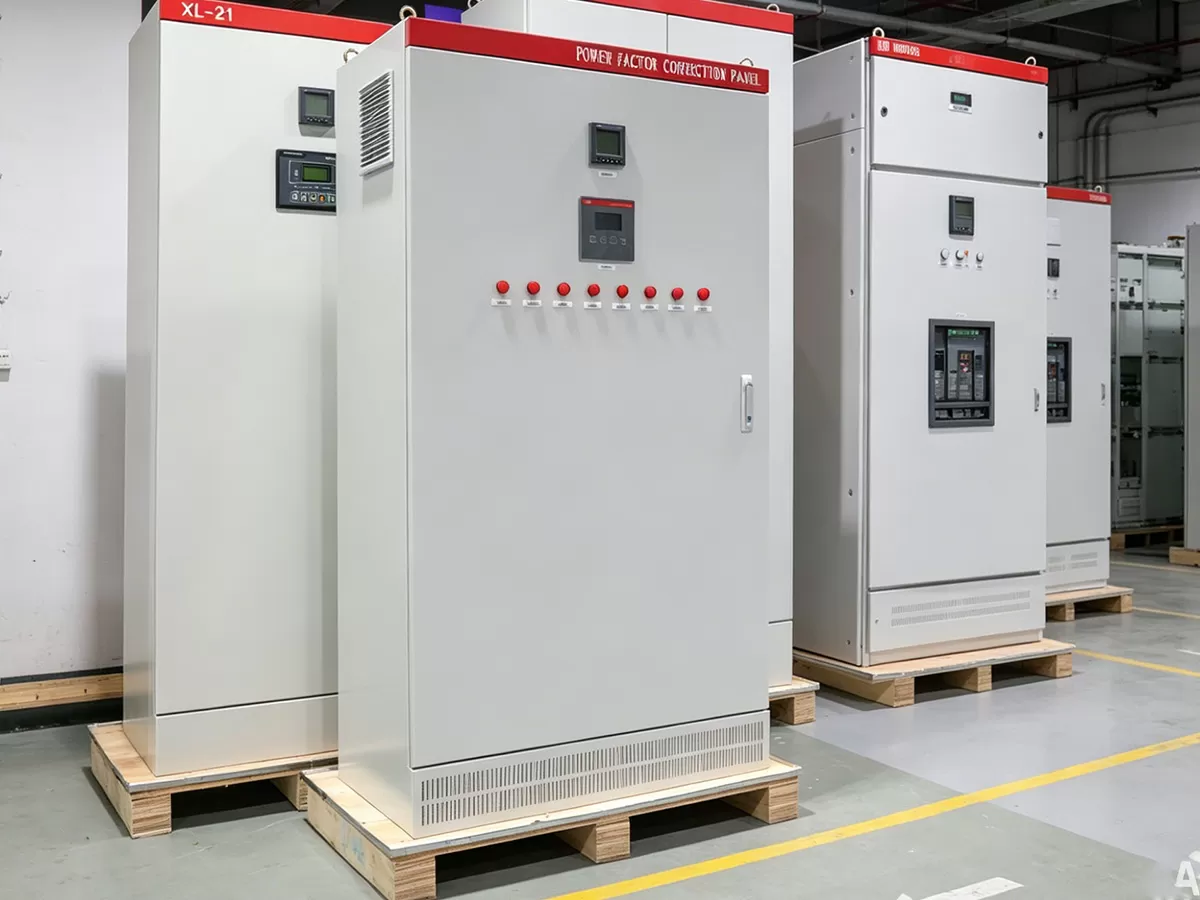
A: Yes, our heavy-duty steel enclosures feature robust door locks, cooling louvers, and reinforced bases to withstand dusty or humid factory floors.
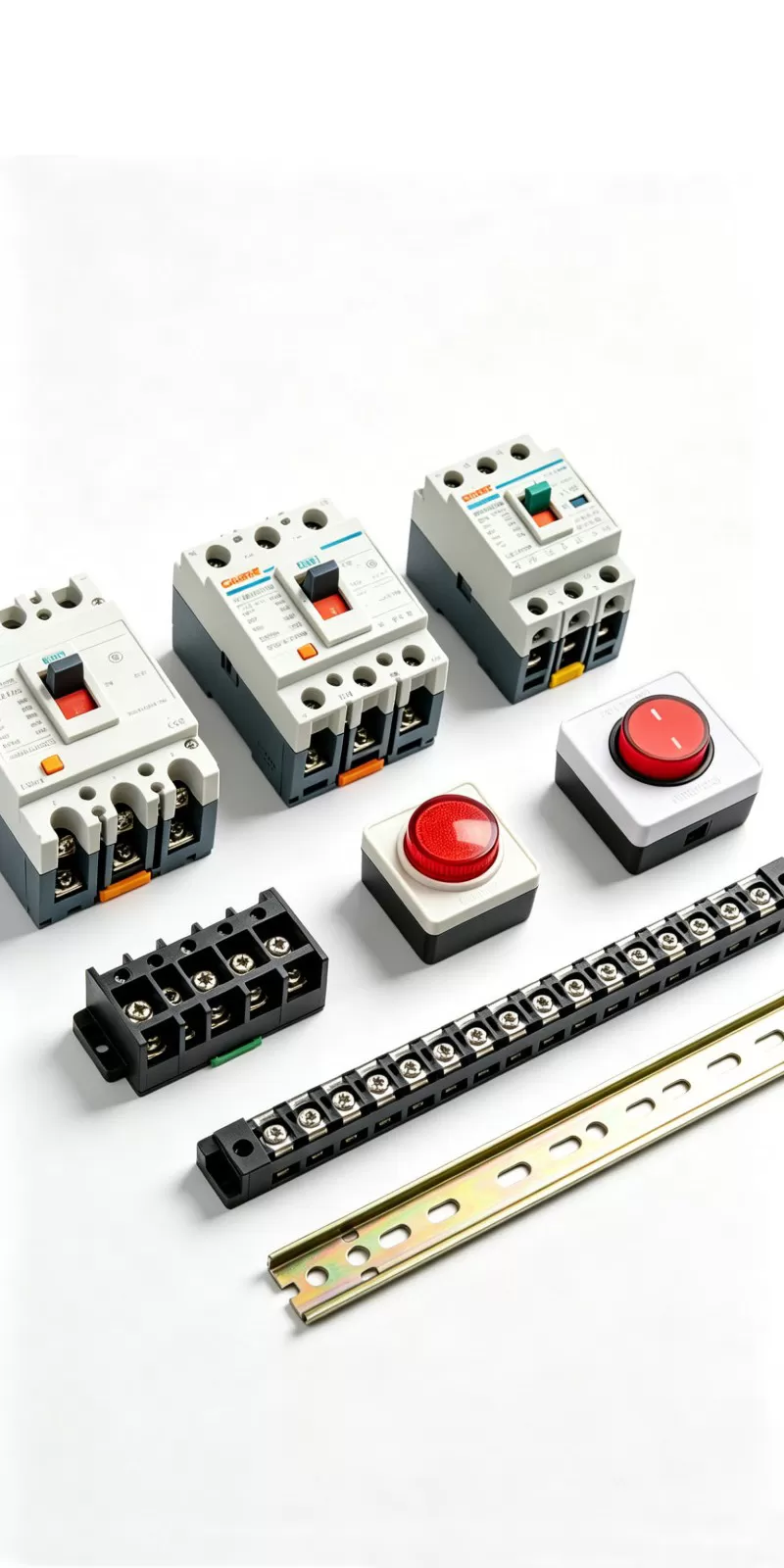
Q: Why is each capacitor branch equipped with an independent fuse?
A: Fuses offer isolated short-circuit protection, ensuring a single faulty capacitor branch is disconnected without stopping the entire compensation system.
Q: What is the difference between fixed and automatic compensation?
A: Fixed compensation provides a static capacitance value, whereas automatic cabinets dynamically vary capacitance based on real-time load changes to prevent over-compensation.
Q: How does the cabinet prevent internal heat buildup during operation?
A: Exhaust fans and ventilation grilles are integrated at the top or sides to actively circulate air and dissipate heat from capacitors.