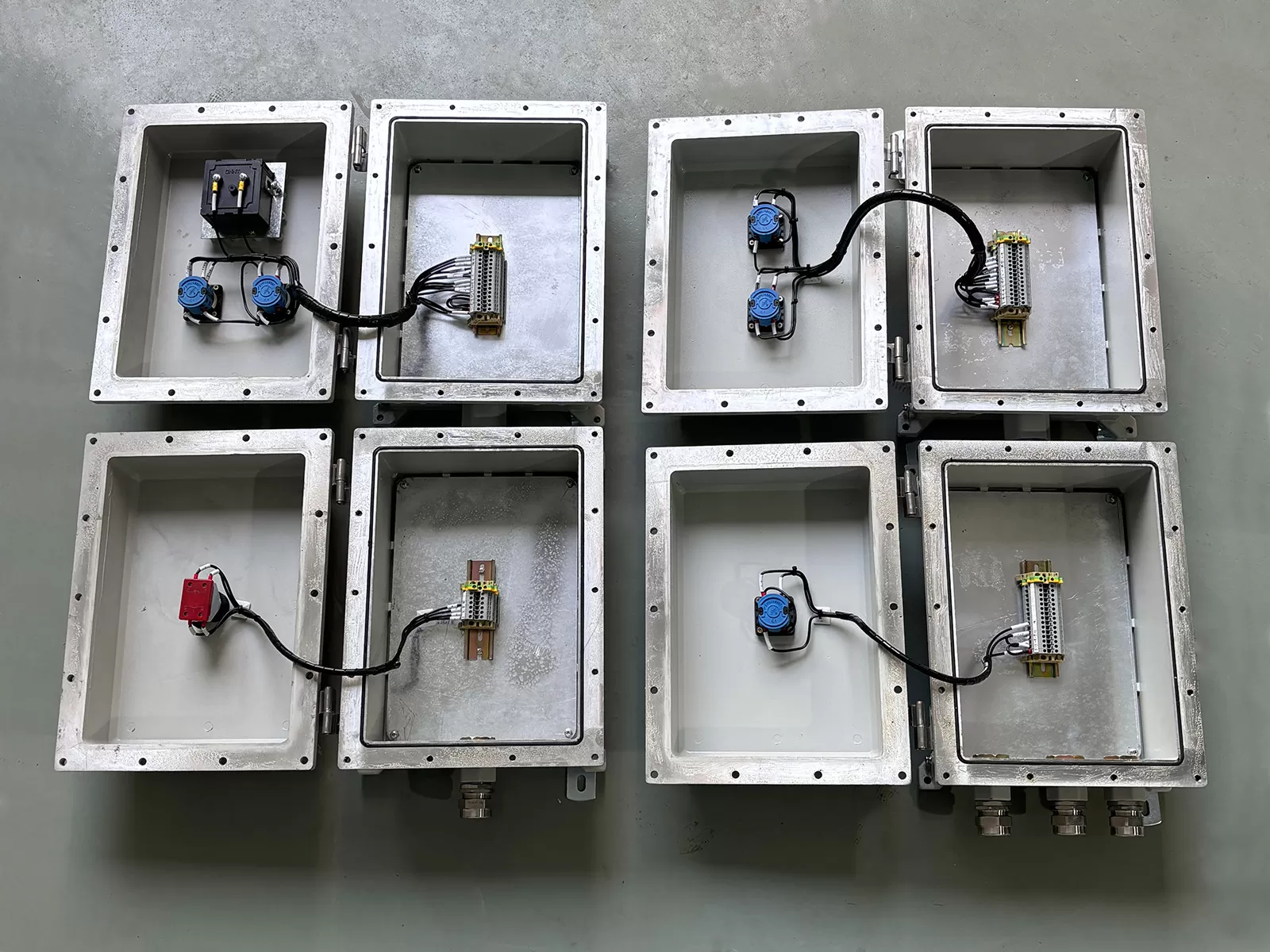
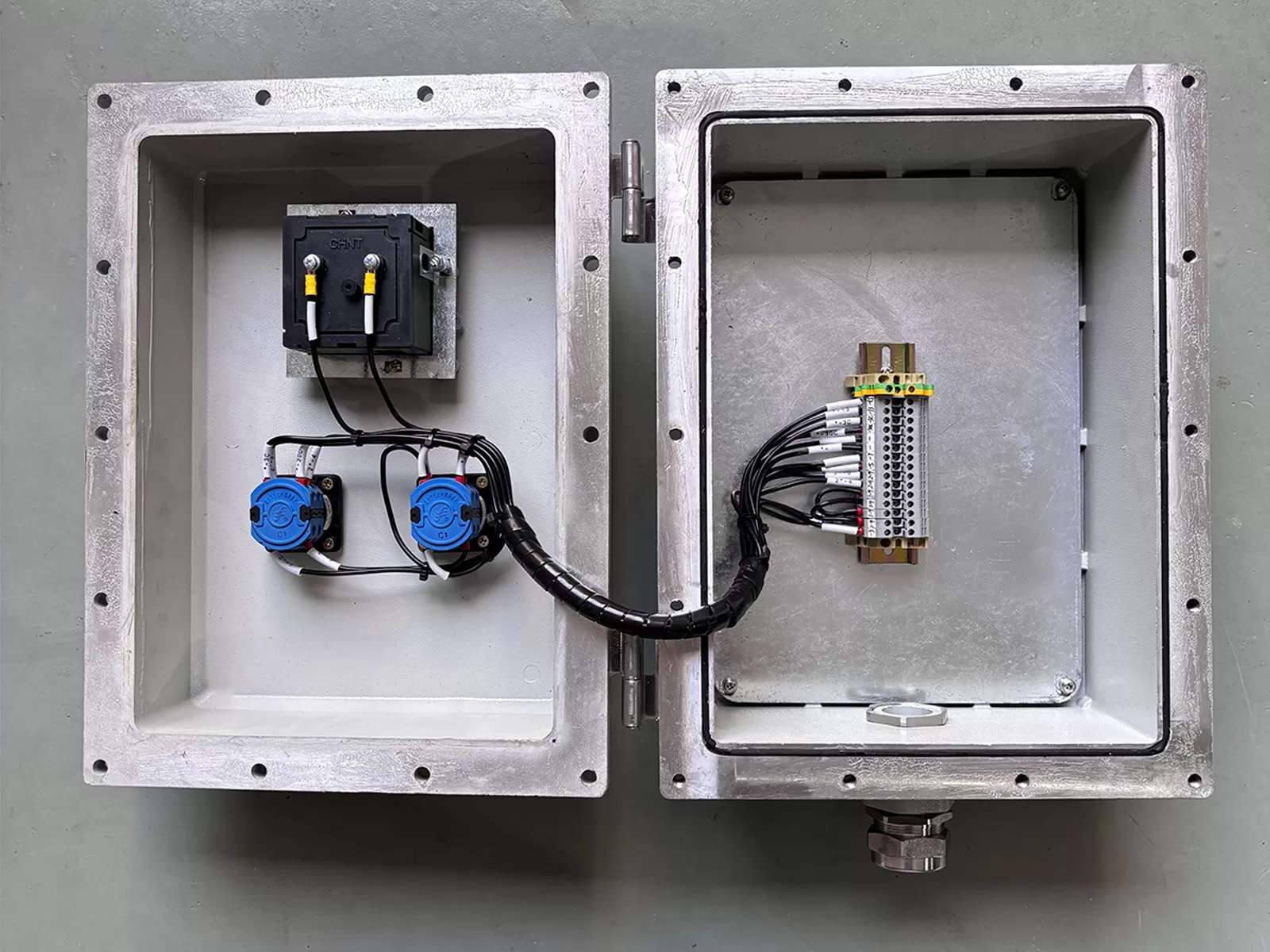
Q: What defines an explosion-proof cabinet?
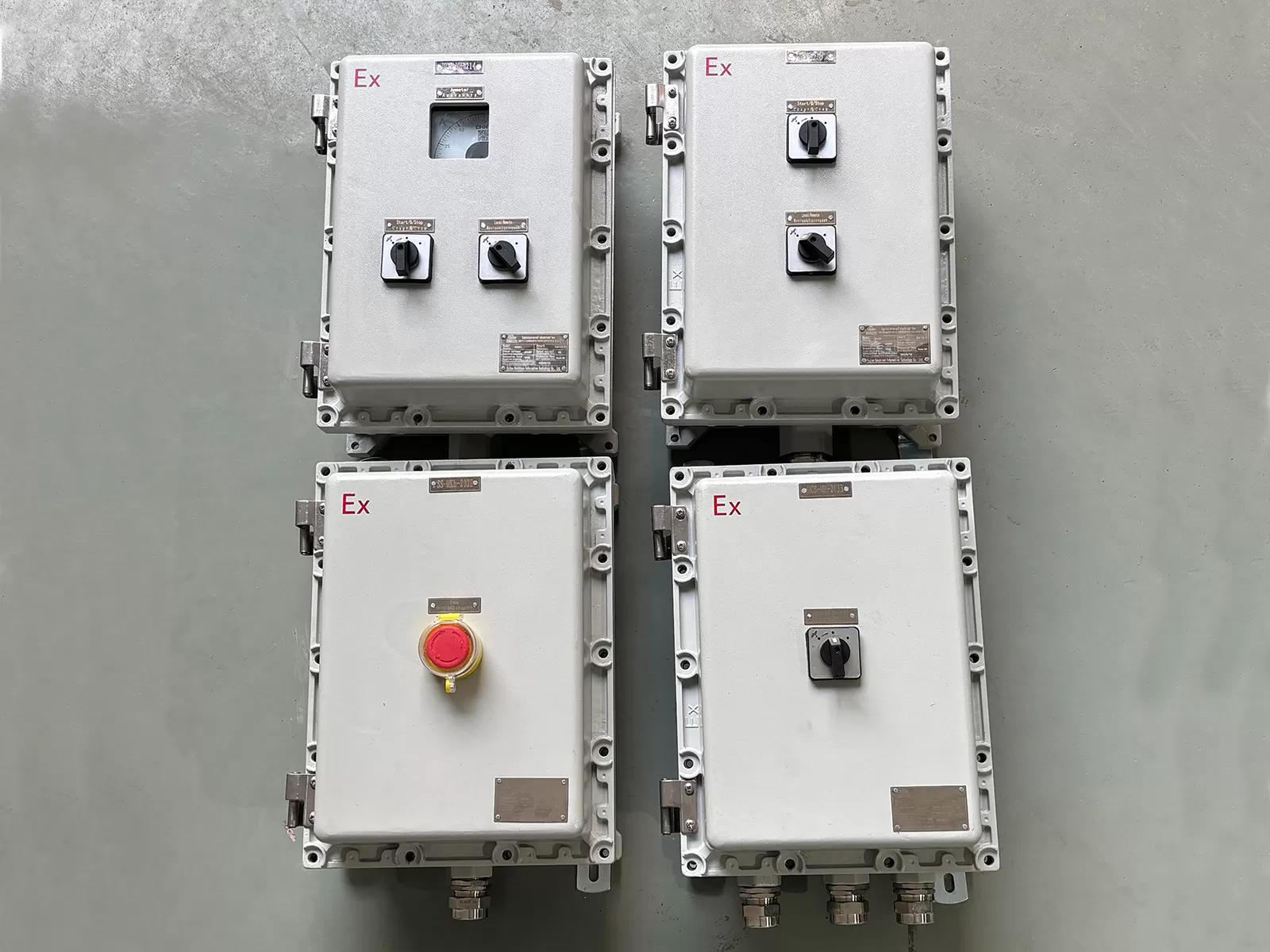
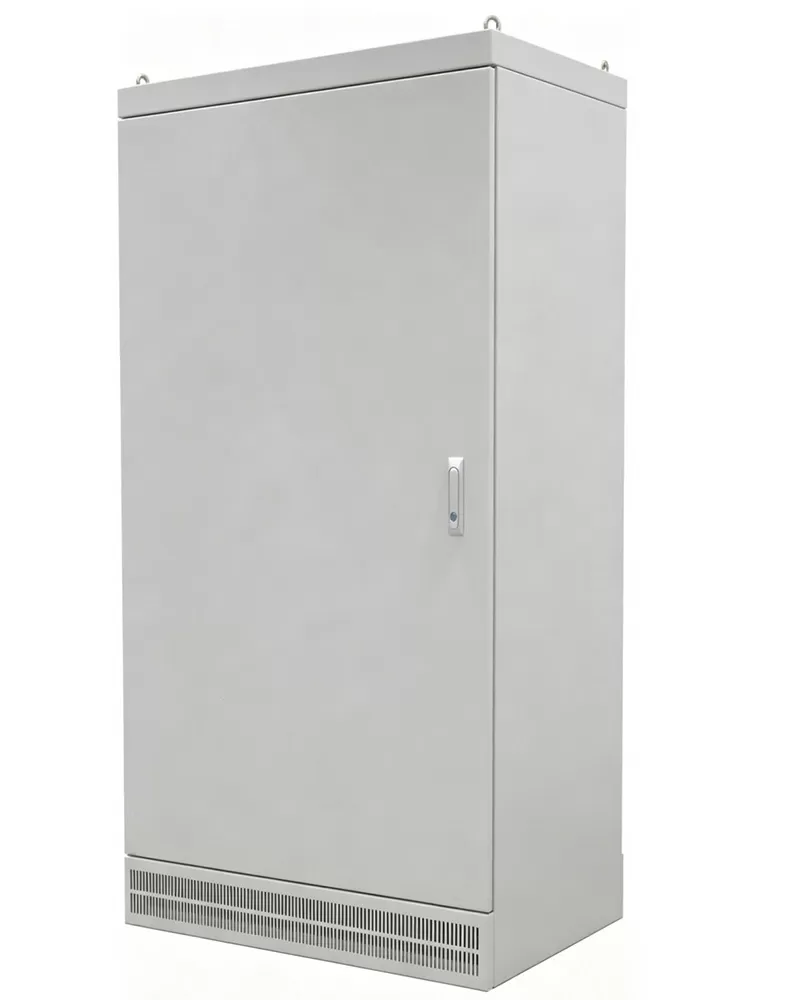
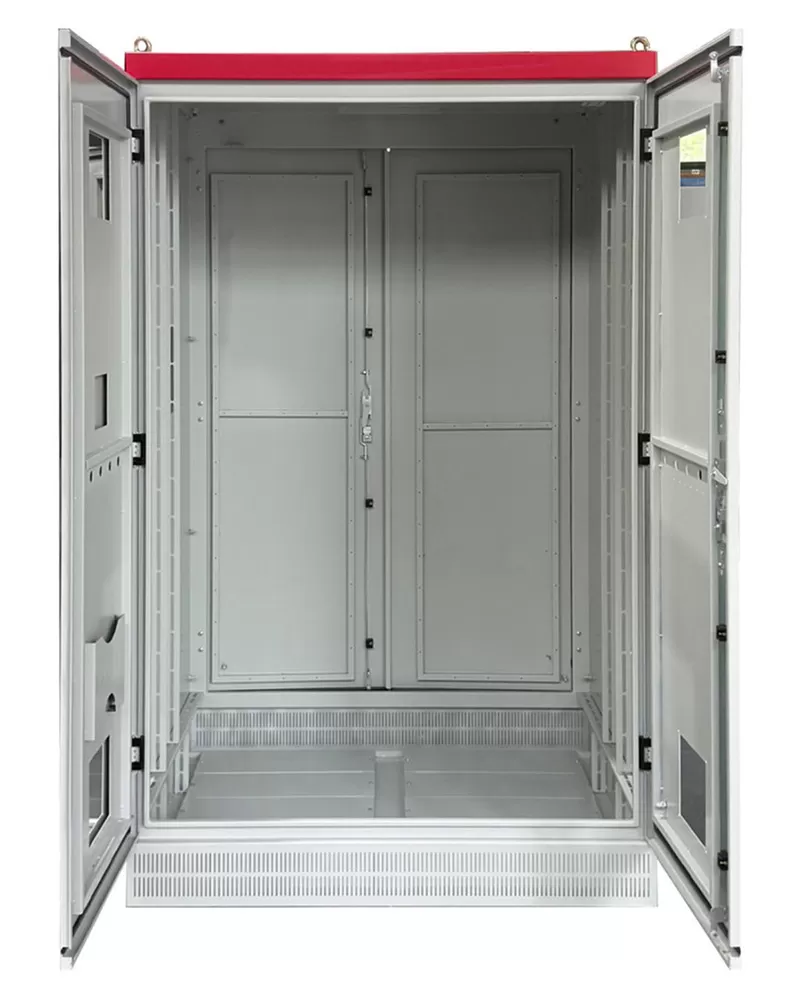
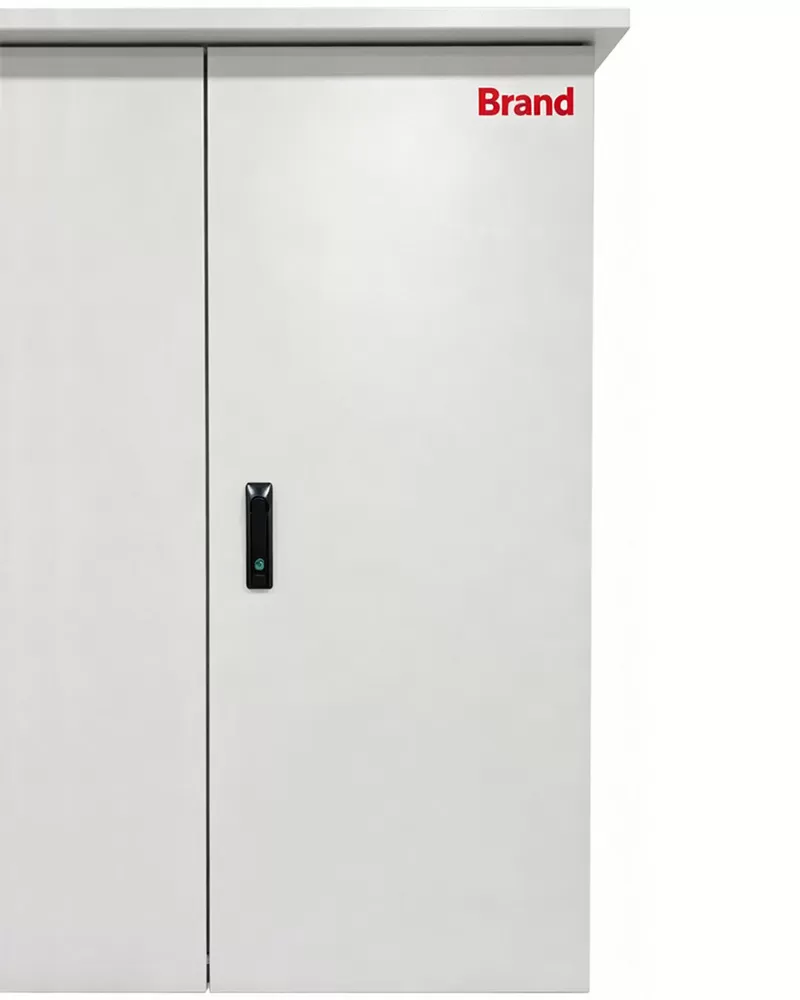
A: It features a heavily reinforced structure designed to contain internal electrical explosions, preventing the ignition of surrounding hazardous atmospheric gases completely.
Q: Where are these cabinets mandatory?
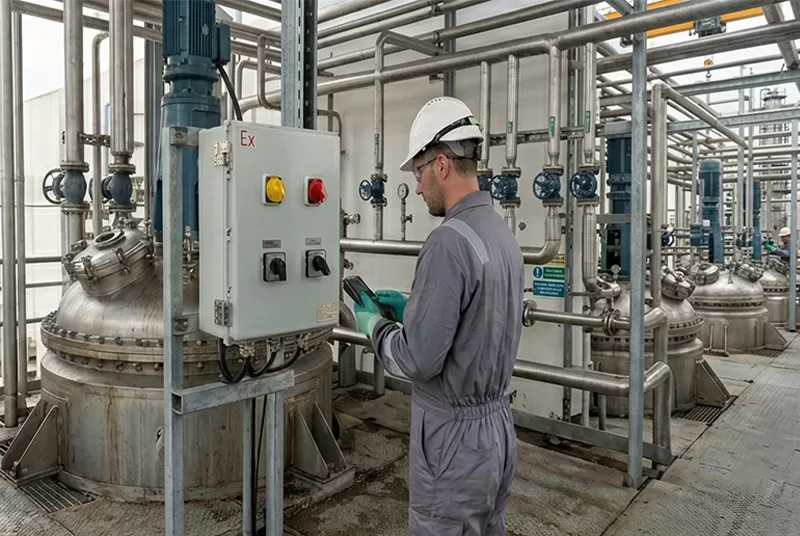
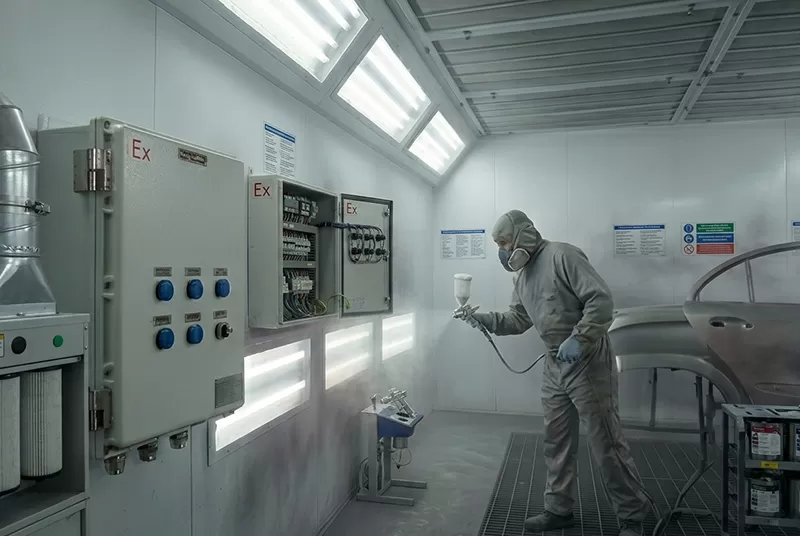
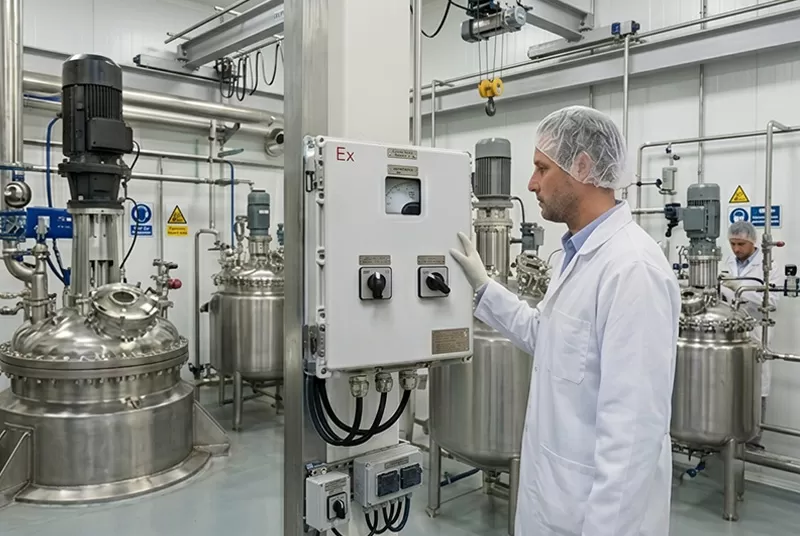
A: They are legally required in environments containing highly flammable gases, combustible vapors, or explosive dust, such as chemical plants and refineries.
Q: Do they prevent all internal explosions?
A: No, they allow internal sparks but strictly contain the resulting blast within the enclosure, ensuring external volatile atmospheres remain entirely safe.
Q: What materials are typically used?
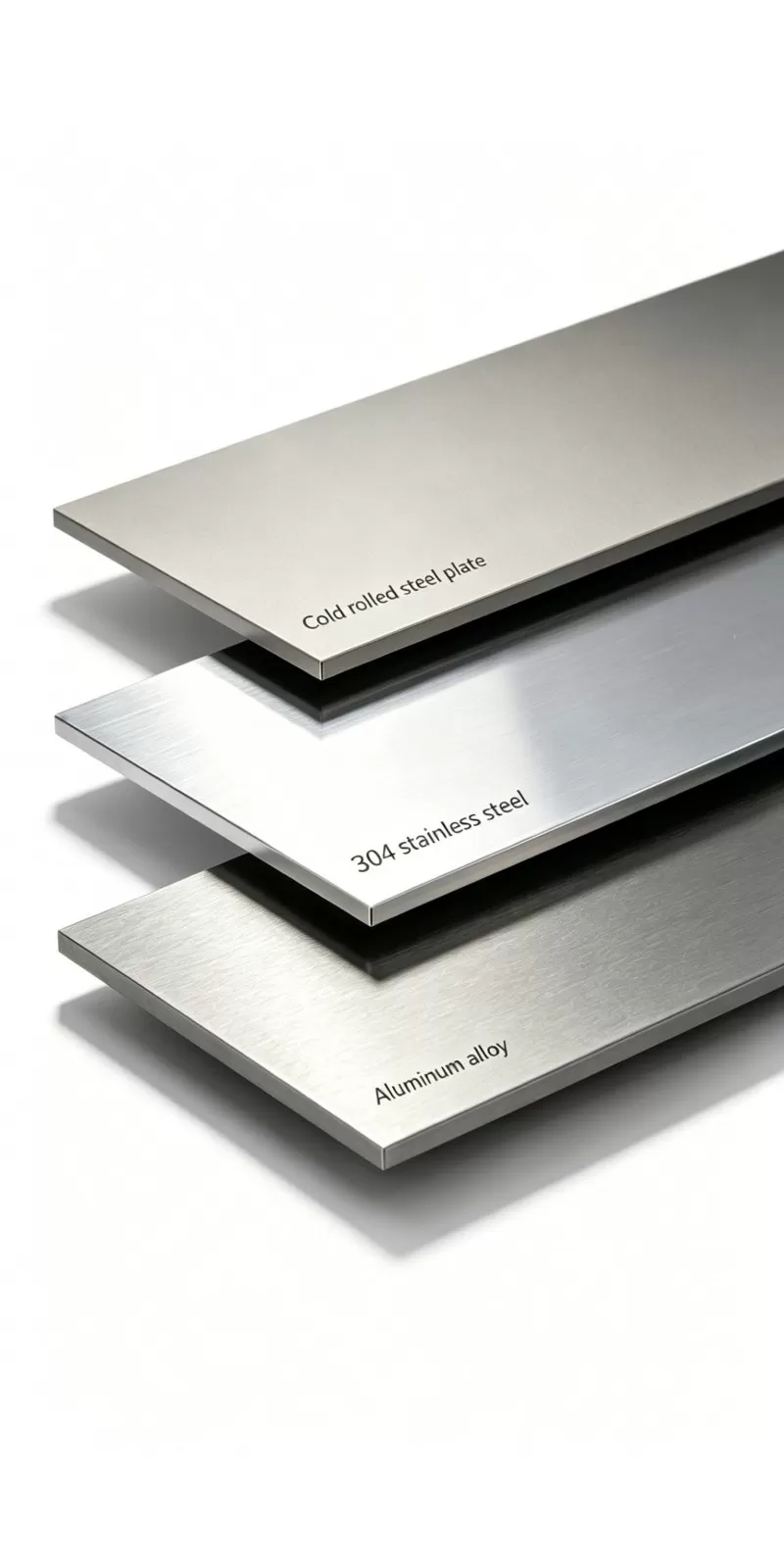
A: They are usually constructed from exceedingly thick cast aluminum, stainless steel, or heavy-duty iron to successfully withstand massive internal pressure spikes.
Q: Can I modify the enclosure myself?
A: Never. Any unauthorized drilling or structural modification immediately voids the ATEX safety certification and dangerously compromises the entire explosion-proof integrity.
Q: How do intrinsic safety panels differ?
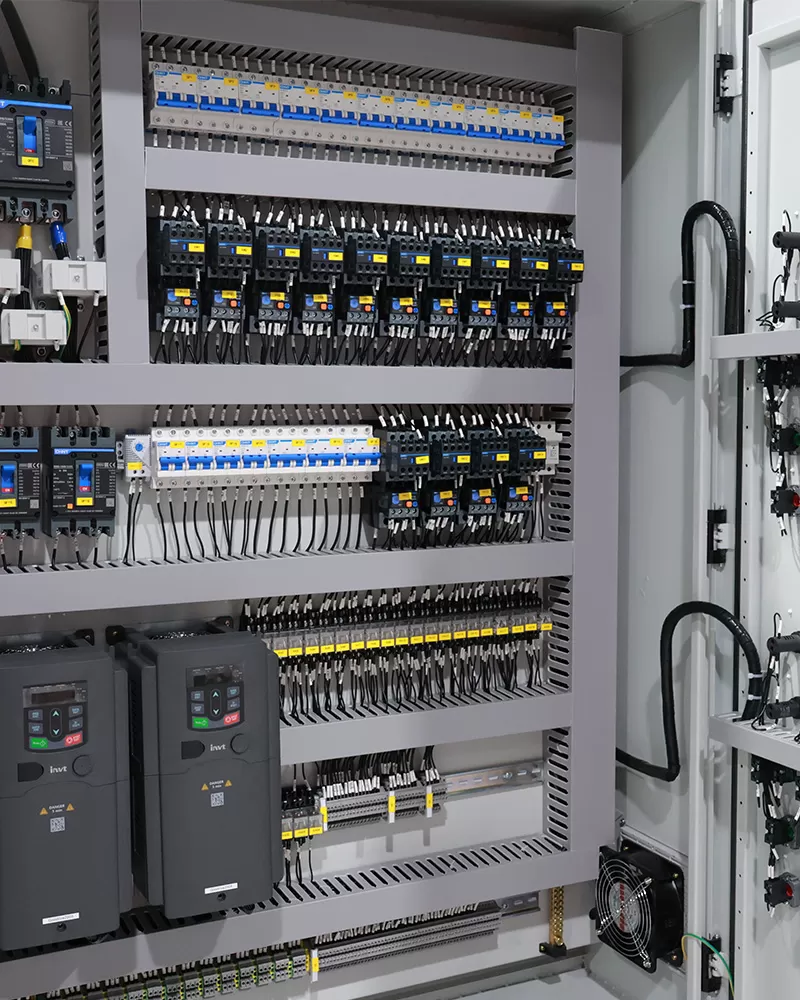
A: An Intrinsic Safety Control Panel restricts electrical energy so sparks cannot ignite gases, whereas flameproof panels physically contain the explosive blast.